

Table of Contents
Political robocalls have long been one of the most powerful tools in any campaign’s playbook. With a single pre-recorded message, a campaign can reach tens of thousands of voters in minutes. But as effective as political robocalls can be, they operate within a tightly regulated legal landscape. Violating those rules doesn’t just risk lawsuits. It chips away at the public trust that campaigns depend on.
Unsolicited calls erode voter confidence and, increasingly, lead to class-action lawsuits against campaigns.
So how do you keep communicating with supporters and prospects without crossing legal lines? The answer lies in using a TCPA-compliant dialing tool, such as CallHub’s FastClick Dialer.
2026 update: The regulatory landscape for political robocalls has shifted significantly in the past two years. This article reflects the latest FCC rules and TCPA updates as of early 2026, including new rules on AI-generated voices, limits on landline call frequency, and requirements for revoking consent.
Are political robocalls legal?
Yes. Political robocalls are perfectly legal when campaigns follow federal and state regulations, primarily the Telephone Consumer Protection Act (TCPA). The moment a campaign violates those rules, it crosses into illegal territory. Here’s what every campaign needs to know.
The rules and regulations surrounding political robocalls
Automated political robocalls to wireless phones require prior consent
Political robocalls to mobile phones using an automated dialer are prohibited without the prior consent of the number’s owner. This is one of the most commonly violated rules in political campaign calling, as campaigns often work from purchased voter lists that include cell phone numbers.
Automated calls to landlines are permitted without prior consent, but with a critical new restriction (see Rule 2 below). The same consent principles still apply to robocalls more broadly, and campaigns should carefully scrub their lists and segment wireless numbers from wired ones before launching any automated outreach.
Political robocalls to landlines are now capped at three per month
This is a significant update from prior rules. Political robocalls made to residential landlines without prior consent are now limited to no more than three calls within any consecutive 30-day period.
Campaigns that rely heavily on landline outreach must track call frequency per contact to remain compliant.
AI-Generated voices are treated as robocalls and require consent
This is arguably the most important regulatory development of recent years. In February 2024, the FCC issued a landmark Declaratory Ruling confirming that any call using AI to generate a human voice (including voice cloning technology) is classified as an “artificial or prerecorded voice” under the TCPA. This means:
- AI-generated voice calls to mobile phones or residential lines require prior express written consent from the recipient.
- This applies regardless of whether the AI is responding dynamically to questions. if the AI is generating the voice, it’s a robocall.
- The ruling gives state attorneys general explicit authority to pursue violators under the TCPA.
For political campaigns experimenting with AI voice tools, this rule is non-negotiable.
The FCC has already proposed a $6 million fine in one high-profile case involving AI-generated deepfakes used for voter suppression. Campaigns should audit any voice technology they use and ensure consent is obtained before deploying AI in any calling campaign.
Call timing is restricted to 8 am – 9 pm
The TCPA restricts all political calls (including robocalls) to the hours of 8 am and 9 pm. Critically, these times apply at the receiver’s end, not the caller’s location.
Many states go further, cutting permitted hours by an additional hour and banning calls on weekends and public holidays. In 2023 alone, the FCC issued millions of dollars in fines related to unlawful robocall timing violations.
Here’s a chart to help you navigate the approved timings:
| State | Mon-Fri | Saturday | Sunday | Holiday |
| Alabama | 8am – 8pm | 8am – 8pm | No Calls | No Calls |
| Connecticut | 9am – 9pm | 9am – 9pm | 9am – 9pm | Normal timings apply |
| Illinois | 9am – 9pm | 9am – 9pm | 9am – 9pm | Normal timings apply |
| Kentucky | 10am – 9pm | 10am – 9pm | 10am – 9pm | Normal timings apply |
| Louisiana | 8am – 8pm | 8am – 8pm | No Calls | No Calls |
| Massachusetts | 8am – 8pm | 8am – 8pm | 8am – 8pm | Normal timings apply |
| Michigan | 9am – 9pm | 9am – 9pm | 9am – 9pm | Normal timings apply |
| Minnesota | 9am – 9pm | 9am – 9pm | 9am – 9pm | Normal timings apply |
| Mississippi | 8am – 8pm | 8am – 8pm | No Calls | No Calls |
| Nevada | 9am – 8pm | 9am – 8pm | 9am – 8pm | Normal timings apply |
| New Mexico | 9am – 9pm | 9am – 9pm | 9am – 9pm | Normal timings apply |
| Oklahoma | 9am – 9pm | 9am – 9pm | 9am – 9pm | Normal timings apply |
| Pennsylvania | 9am – 9pm | 9am – 9pm | 1:30pm – 9pm | No Calls |
| Rhode Island | 9am – 6pm | 10am – 5pm | No Calls | No Calls |
| South Dakota | 9am – 9pm | 9am – 9pm | No Calls | Normal timings apply |
| Texas | 9am – 9pm | 9am – 9pm | 12pm – 9pm | Normal timings apply |
| Utah | 8am – 9pm | 8am – 9pm | No Calls | No Calls |
| Wyoming | 8am – 8pm | 8am – 8pm | 8am – 8pm | Normal timings apply |
Fourteen states require a live operator to lead the call
Before any recorded message plays, fourteen US states legally require a live operator to first ask for the listener’s permission to continue. This requirement adds a layer of human accountability to the process and reflects growing state-level pushback against fully automated outreach.
| State | Requirements |
| California | Live operators ask permission in every call. |
| Georgia | Live operators ask permission in every call. |
| Indiana | Live operators ask permission in every call. |
| Iowa | Live operators to speak in every fundraising call. |
| Kentucky | Live agents must ask permission during polling calls. |
| Maryland | Live agents must ask permission during polling calls. |
| Minnesota | Live operators ask permission in every call. |
| Mississippi | Live operators ask permission in every call. |
| Montana | Live operators ask permission in every call. |
| New Jersey | Live operators ask permission in every call. |
| North Dakota | Live operators ask permission in every call. |
| South Carolina | Live agents must assist with every automated call. |
| Tennessee | Live agents must ask permission during polling calls. |
| Utah | Live operators must seek consent for fundraising calls. |
This rule stands true for landline and mobile numbers. It is void only when you have prior permission from the contact (wired or non-wired numbers) to receive calls from your campaign.
Caller Identity Must Be Disclosed at the Start
Every political robocall, whether delivered by a live agent or a recording, must begin with a clear identification of:
- The political campaign and the candidate on whose behalf the call is being made
- The name of the individual, business, or entity placing the call
- A callback telephone number
If the state requires a live operator to lead, the operator must make this identification. Otherwise, it must appear at the very start of the recorded message.
Thirteen states require disclosure of who paid for the call
In addition to identifying the caller, thirteen US states require political robocalls to disclose the name of the individual or organization that paid for the call. In many cases, this disclosure must be delivered in the candidate’s own voice as part of the recording. The states with this requirement are:
California, Connecticut, Florida*, Idaho, Indiana, Louisiana*, Minnesota, Mississippi, Nebraska, New York, North Carolina, North Dakota, and Virginia.
*Florida and Louisiana exempt polling calls from this rule.
Ten states require prior authorization before calling
Some states require campaigns to obtain permission from a registered agent, local phone company, or government agency before launching any automated political phone campaign. Skipping this step is a compliance risk that no campaign should take.
The following chart will guide you on the states where this rule applies and where they require authorization from:
| States | Authorization agency |
| California | Local phone company. |
| Florida | Registered agent in the state OR written authorization from candidate or sponsor committee. |
| Georgia | Registered agent in the state. |
| Kentucky | Registered agent in the state. |
| Louisiana | Written authorization from candidate or sponsor committee. |
| Maine | Registered agent in the state. |
| Mississippi | Local phone company. |
| Nebraska | Registered agent in the state. |
| New Hampshire | Government permit. |
| Tennessee | Registered agent in the state. |
Consent revocation rules are now in effect
Consent revocation is a new and growing compliance area that every campaign must understand.
As of April 2025, consumers can revoke their consent to receive robocalls or robotexts in any reasonable manner, including by saying or texting keywords like “Stop,” “Quit,” “Cancel,” “Opt-Out,” “Unsubscribe,” “Revoke,” or “End.”
Campaigns must honor these revocation requests within 10 business days.
How the FastClick Dialer helps political campaigns stay compliant
Navigating this patchwork of federal and state rules (now with additional AI and revocation requirements) is genuinely complex. CallHub’s FastClick Dialer is built to make that navigation simpler.
Human intervention in dialing
The FastClick Dialer’s defining feature is that it uses human intervention rather than automated algorithms to initiate calls.
A designated dialing agent manually clicks to queue calls to agents’ lines. Because no algorithmic number generation or storage is used, the dialer falls outside the TCPA’s legal definition of an autodialer.
This keeps campaigns compliant even when calling numbers that haven’t yet opted in. This approach is also a safeguard against the increasingly aggressive enforcement environment around AI-generated calls: because real humans are managing the process, the risk of inadvertently crossing into illegal automated territory is significantly reduced.
Segmented contact lists
The dialer integrates with CRMs like NGPVan, NationBuilder, and Blue State Digital, allowing campaigns to import state-segmented contact lists. By running separate campaigns for each state’s list, managers can customize scripts, disclosures, call timings, and frequency caps to match each state’s specific rules.
Segmentation also makes it easier to track landline contact frequency and stay within the new three-call-per-month limit.
Timezone-based call scheduling
Campaigns can schedule calling windows by timezone, and the software automatically stops dialing when the legal cutoff time is reached.
For example, if Massachusetts law prohibits calls after 8 PM, the campaign set to GMT-4 will automatically wind down at that hour. No manual oversight required. Days of the week can be restricted the same way.

Scripted agent guidance
A compliant call requires a lot of specific information to be delivered in the right order: identity disclosure, candidate, sponsor, callback number, and the core message.
CallHub’s script tool keeps all of this visible on agents’ screens throughout the call, reducing the risk of a rushed or inexperienced volunteer accidentally omitting a legally required element.

Consent and opt-out tracking
With revocation rules now in force, maintaining a clean, up-to-date do-not-call list is no longer optional. It’s a legal requirement. CallHub’s contact management tools allow campaigns to flag opted-out contacts immediately and ensure they’re excluded from future campaigns within the required 10-business-day window.
Additional FastClick features for more political robocalls
Beyond compliance, the FastClick Dialer offers tools to make campaigns more efficient:
Adjustable dialing speed: Speed up to 10x when time is short, and contact lists are long
Unlimited simultaneous agents: No caps on the size of your calling workforce
Local number rental: Increases answer rates by showing a local caller ID
Answering machine detection: Agents can drop a pre-recorded message with a single click, rather than wasting time on voicemail
Real-time analytics: Track answer rates, agent performance, and campaign trends, and adjust live campaigns on the fly
Text follow-ups: Send automated or manual SMS messages directly from the calling dashboard after key call dispositions
Call recording and monitoring: For quality assurance, training, and performance review
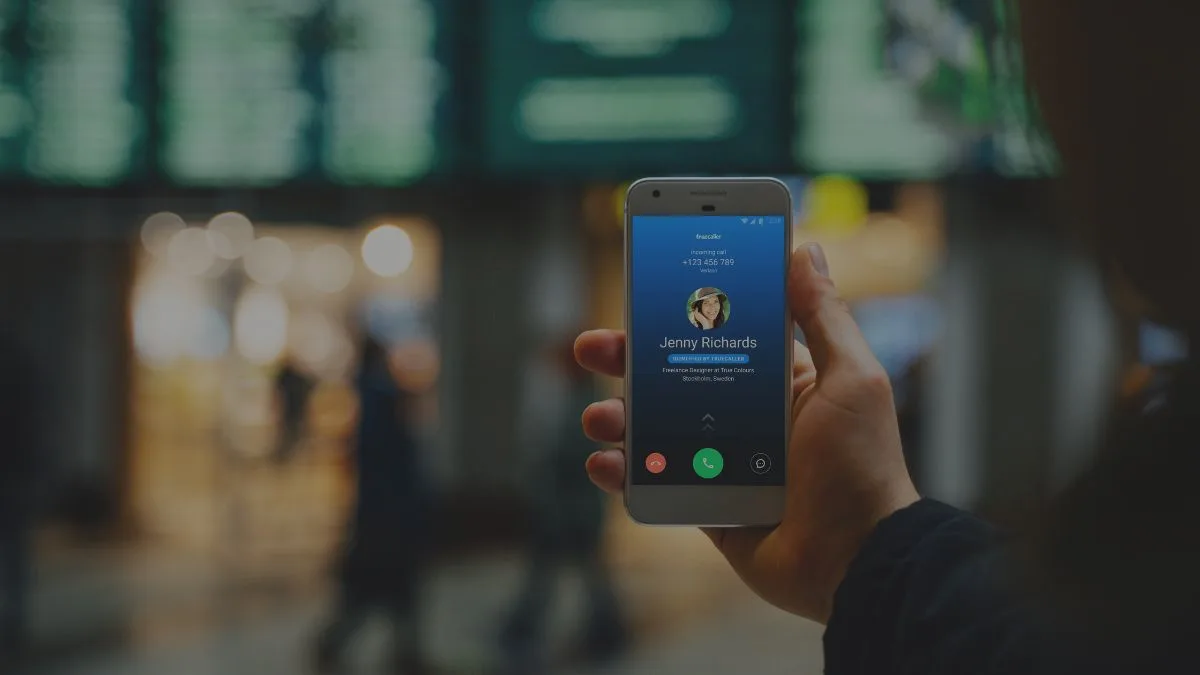
Feature image source: Magnet.me/Unsplash.
Frequently Asked Questions About Political Robocalls
What are political robocalls?
Political robocalls are automated phone calls that deliver pre-recorded messages on behalf of campaigns, candidates, or advocacy groups. They are designed to reach large numbers of voters quickly.
Are political robocalls legal in the United States?
Yes, when they comply with TCPA and applicable state regulations, including consent requirements, timing restrictions, disclosure mandates, and the new landline frequency cap.
Are AI-generated voice calls considered robocalls?
Yes. Since February 2024, the FCC has confirmed that any call using AI to generate a human voice is classified as a robocall under the TCPA. These calls require prior express written consent from recipients.
What information must a political robocall disclose?
At minimum: the campaign or candidate’s name, the calling entity’s name, and a callback number. Depending on the state, the call may also need to disclose who paid for it, sometimes in the candidate’s own voice.
How can a contact revoke consent?
As of April 2025, any reasonable method works. This includes keywords like “Stop,” “Quit,” or “Unsubscribe” via text, or a verbal request on a voice call. Campaigns must honor revocation requests within 10 business days.
How can campaigns ensure compliance?
Use compliant tools like CallHub’s FastClick Dialer, segment contact lists by state, schedule calls within legal hours, track landline contact frequency, avoid AI voice tools without explicit consent, and script every required disclosure.