





Table of Contents
Volunteer appreciation involves recognizing your contributions of time and energy, boosting retention through personalized thanks, small gifts like branded merchandise items/gift cards, and social events passes for lunch/concerts, etc.
Volunteer appreciation becomes critical since the road to change is long, and you must recognize your volunteers to keep them motivated for the duration. What volunteers feel significantly affects how volunteers work, especially when campaigns must run all year round. Your appreciation can take the form of gifts, highlighting top volunteers, or even a heartfelt ‘thank you.’
In this guide, you’ll learn what volunteer appreciation really means today, why it matters, and specific ideas, gifts, and events you can use to thank volunteers all year—not just once a year.
Volunteers in America Today
Volunteering has changed a lot in the past few years—but it’s far from disappearing.
Between September 2022 to 2023, about 75.7 million people in the United States formally volunteered with an organization, representing 28.3% of Americans age 16 and up. Together, they contributed an estimated 4.99 billion hours of service in that 12‑month period alone.
At the same time, the value of volunteer time keeps rising. In 2024, the estimated value of an hour of volunteer time in the U.S. reached about 34.79 dollars, a 3.9% increase from 2023. That number doesn’t even capture the emotional and social impact volunteers have on the people and communities they serve.
New data also shows that volunteering is rebounding after the pandemic, with the national volunteering rate jumping about 5 percentage points in two years, the largest expansion since tracking began in 2002. The catch: while more people are saying “yes” to volunteering, average hours per volunteer have dropped, which means organizations must work harder to keep people engaged.
FYI
A smaller core of highly engaged volunteers is often worth more than a long list of inactive names. Appreciation is one of the fastest ways to turn “once‑in‑a‑while” volunteers into reliable regulars.
Why volunteer appreciation matters?
As mentioned above, today’s volunteers represent tens of millions of people contributing billions of hours of service, so its not just volunteer appreciation or being polite. Its a retention strategy as well. It matters most because:
- Retention is fragile. Recent research on volunteer management shows that recruiting and retaining volunteers are consistently among the top challenges for organizations, with retention concerns rising compared to previous years. Feeling unseen or taken for granted is a major reason people quietly step back.
- Volunteers are high‑value contributors. We now know how much volunteers contribute in time and skills, so they are among your most strategic “investments,” generating billions of dollars in economic value.
- Volunteers often become your best donors and advocates. Many nonprofits find that volunteers give more financially over time and are more likely to invite friends and family to support the cause.
When volunteers feel consistently appreciated, you’re more likely to see:
- Higher retention and reliability
- Better word‑of‑mouth recruitment
- Stronger event turnout and engagement
- Increased donations from existing volunteers and their networks
Tip
Use CallHub’s relational organizing tools so volunteers can easily reach out to their own contacts with personalized messages, helping you grow your supporter base while making volunteers feel trusted and empowered.
The two main types of volunteer appreciation
The strongest programs combine formal and informal recognition. You need both.
Formal recognition – This is structured, planned in advance, and often more public. Formal recognition shows volunteers that you are intentional and organized about valuing their contributions.
Informal recognition – This is spontaneous, personal, and frequent. Informal recognition builds your culture. Volunteers feel seen as people, not just as labor.
You need both types based on what stage your appreciating your volunteers.
Now lets see some of these ideas.
Formal volunteer appreciation ideas (that still feel personal)
Here are five formal volunteer appreciation ideas you can plan into your calendar.
1. Host an annual volunteer appreciation event
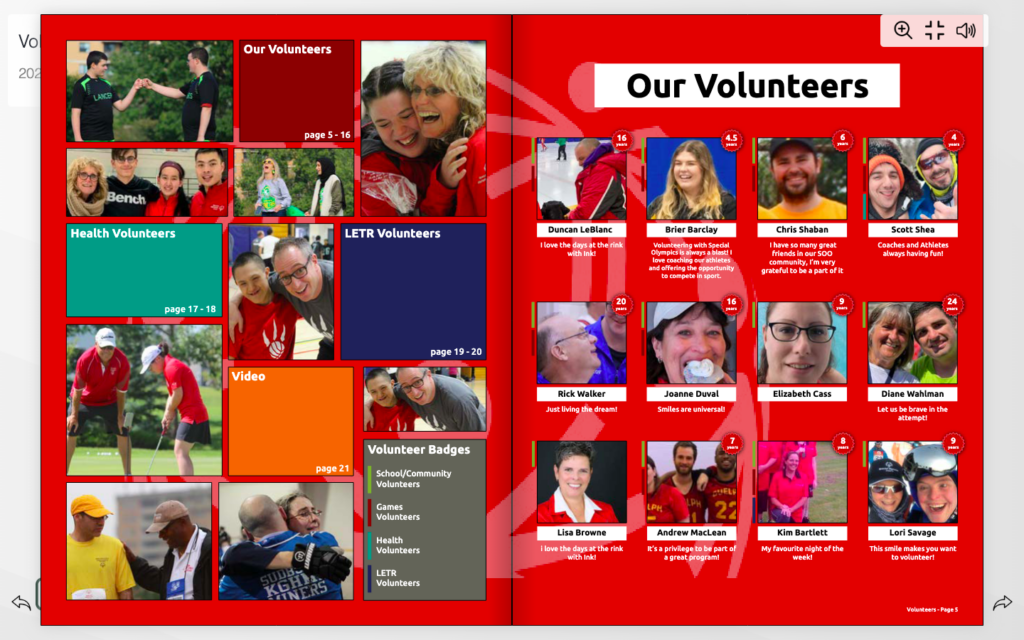
Plan a brunch, picnic, or casual evening reception where volunteers are the guests of honor. Share impact stats, a short slideshow, and a few stories from people you serve.
Here’s a great example of such a book released by the Special Olympics Ontario chapter.
Use CallHub texting to send save‑the‑date reminders, collect RSVPs, and share last‑minute updates like weather changes or parking instructions.
2. Create a simple volunteer awards program
Offer light‑hearted yet meaningful awards something like: “Rookie of the Year,” “Above and Beyond,” “Always on Time,” or “Cheer Captain.” etc.,
Present certificates or low‑cost gifts at your event or during a staff meeting volunteers attend.
| Tip: Ask staff and fellow volunteers to nominate peers via a short online form. |
3. Spotlight volunteers in newsletters and on social media
Feature one volunteer each month with a photo, short bio, and quote about why they serve. Share how their contribution impacts your mission. Tag them as well on social media.
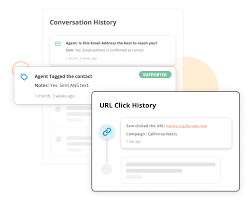
Include a link of these posts in your texts inviting supporters to read the latest volunteer spotlight and sign up for the next orientation. Use url shortner to add the links easily and track them as well.
4. Send an annual volunteer impact report
Create a one‑pager or mini‑report just for volunteers with total hours served, key achievements, and a few short stories. This mirrors donor stewardship but centers volunteers.
Remember: Attach it as a PDF to an email to your long‑term volunteers who appreciate physical recognition.
5. Include volunteers in your major campaigns
During big fundraising or awareness pushes, publicly thank volunteers alongside donors and staff. Mention volunteers in your annual report, website hero banners, or campaign videos.
6. Give a work certificate: Provide an authentic certificate acknowledging their work and a letter volunteers can use to indicate work experience. Just because it is unpaid doesn’t mean the experience doesn’t count. Volunteer experience should add value to future prospects and increase networking opportunities.
For example, if you volunteer at least 100 hours at UCLA Health, one of America’s top hospitals, you can request and receive a certificate indicating the work you did in your specific medical section, like mental health, child care, emergency services, etc.
Read also: Managing Your Volunteers: 6 Updated Best Practices
Informal volunteer appreciation ideas (this can happen every week/day)
Informal appreciation is where culture is built. Here are five ideas you can use repeatedly.
1. Say thank you—specifically
Instead of a generic “Thanks, everyone,” name what people did: “Thank you for staying late to clean up,” or “Your calm presence made today’s check‑in line smoother.”
2. Ask for their input—and act on it
Check in after shifts: “What would make this easier next time?” When you adopt a suggestion, call it out: “We changed check‑in based on Alex’s idea”
3. Create small rituals
Open each shift with a quick mission reminder and close with a gratitude circle where staff and volunteers shout out wins. These rituals reinforce purpose and appreciation.
4. Send quick appreciation messages
After a big event, send a short text: “We served 120 families today thanks to you. Couldn’t have done it without your help.”
Use CallHub mass texting to send personalized thank‑you messages to all volunteers who attended, segmented by role or location.
5. Celebrate personal milestones
Note birthdays, anniversaries, graduations, or new jobs. Even a simple card or group email saying “we’re celebrating you” goes a long way
Tip
Volunteer Pro, a training and resources organization for volunteer coordinators, recommends setting about 2.5% of your total budget for volunteer recognition on top of ~1.25% for reimbursements.
What is a good appreciation gift for volunteers?
Gifts don’t need to be expensive to be meaningful. The best gifts are practical, personal, and connected to your mission.
Here is a quick table of volunteer appreciation gift ideas you can adapt:
| Gift idea | Why it works |
|---|---|
| Branded tote bag or water bottle | Volunteers use it at shifts and in daily life, spreading awareness of your organization. |
| Handwritten card + team photo | Highly personal, easy to store or display, and meaningful for long‑term volunteers. |
| Small plant with note (“Thanks for helping us grow”) | Ties directly to growth and care, works for home or office. |
| Coffee shop gift card (5–10 dollars) | Simple treat that feels like a real “thank you” after early mornings or late nights. |
| Skill‑building workshop access | Shows you care about their development—e.g., resume writing, leadership training. |
| Event tickets (local game, show, museum) | Fun, memorable experience they can share with friends or family. |
| “Volunteer of the Month” framed certificate | Public recognition plus a keepsake they can display at home or work. |
| Curated local-goodies gift box | Supports local businesses and gives volunteers a mix of snacks or treats. |
FYI: If budget is tight, prioritize personalization over price. A handwritten note from leadership plus a simple gift often feels more meaningful than a high‑value but impersonal item.
How to plan a volunteer appreciation event (6 simple steps)
You don’t need a gala to make volunteers feel celebrated. Here is a short step‑by‑step framework for a simple appreciation event:
- Clarify the goal and audience
Decide if this event is for all volunteers, a specific team, or top contributors, and whether the focus is celebration, recognition, or connection (or all three). - Choose a format and budget
Options include brunch, picnic, open house, or casual evening reception—online or in‑person. Match the format to your volunteers’ realities (transportation, family, schedules). - Pick a date, time, and location
Avoid peak program times. Consider accessibility, parking, and public transit. - Plan the program flow
Include: welcome and thanks, a brief mission and impact highlight, a story from someone who benefited from volunteers’ work, awards or shout‑outs, and time to socialize. - Invite and remind volunteers
- Create a contact list of active volunteers.
- Send an initial invitation by email and text 3–4 weeks out.
- Follow up with reminders one week, three days, and the morning of the event.
- Where CallHub helps: Use CallHub to manage invites and reminders via SMS and voice, and add a simple RSVP link to track attendance.
- Capture moments and follow up
Take photos (with consent), share a recap with volunteers, and send a thank‑you message plus highlights afterward.
Read also: Event communication: how to use texting and calling tools to boost turnout and reduce no‑shows.
How your workplace can support volunteers
Make onboarding take minutes, not days
Volunteers should feel useful within hours, not weeks. Training is important, but it must be tightly focused on what they need to start contributing fast.
- Aim for a “five‑minute” onboarding overview: what the campaign does, today’s goal, their role, and where to get help.
- Teach tools and day‑to‑day tasks in short, practical sessions—live or via pre‑recorded modules.
- Use an online system (LMS, recorded videos, or guided slide decks) so volunteers can complete training on their own time and rewatch modules when needed.
- Keep a clear, repeatable onboarding checklist so every new volunteer has a consistent experience.
This way, volunteers quickly feel they’re making a real impact instead of spending their limited time stuck in orientation.
Automate small, repetitive jobs
Nothing kills motivation faster than doing work a computer could do. Wherever possible, let software handle the repetitive tasks so volunteers can focus on human conversations.
Instead of manually sending thousands of introductory messages and tracking replies, use tools that:
- Send the initial peer‑to‑peer (P2P) texts automatically so volunteers only handle responses and real conversations.
- Use auto‑dialers to reach contacts faster.
- Load branching call scripts that auto-load responses based on what the caller responds.
- Trigger auto‑responses to common inbound questions (“Send me more info,” “How do I donate?”, “Where do I vote?”).
When repetitive tasks are automated, a single volunteer can meaningfully connect with dozens or even hundreds of contacts in a shift, instead of burning time on admin work.
Use smart tools to unlock remote volunteering
If you only recruit volunteers who can physically come to your office, you’re limiting both your impact and your flexibility. Digital tools can open your campaign to supporters everywhere. Look for mobile apps and platforms that let volunteers:
- Log in from their phones to see available tasks.
- Access up‑to‑date scripts, contact lists, and surveys.
- Receive training modules and campaign updates in one place.
- Chat with other volunteers and staff in group channels or DMs.
A good app becomes your virtual “office”: it keeps everyone aligned, informed, and connected, even if they never share the same room. It also reduces costs for office space, travel reimbursements, and in‑person logistics.
Read aslo: How to Ask for Donations Over the Phone: A Guide for Your Nonprofit
Match the right task to the right volunteer
Volunteers are not interchangeable. Assigning the wrong job can make someone feel useless, bored, or overwhelmed. You’ll support volunteers better if you:
- Capture preferences and strengths during sign‑up (comfort with phone calls, languages, tech skills, accessibility needs).
- Use tools that let you assign volunteers to specific tasks or target contact lists in real time.
- Route contacts to volunteers who understand the local culture or are especially strong at tasks like fundraising or persuasion.
- Give volunteers the option to switch roles over time as they build skills or want a new challenge.
When volunteers feel their strengths are recognized and used well, their time feels valuable instead of wasted.
| Call center software offers such a service and more. You must invest in these to keep things flowing smoothly. |
Gamify your campaigns (lightly)
Gamification helps make repetitive work more engaging—as long as it’s thoughtful and not childish. You can:
- Turn training into short quizzes or simulations with scores and simple rewards.
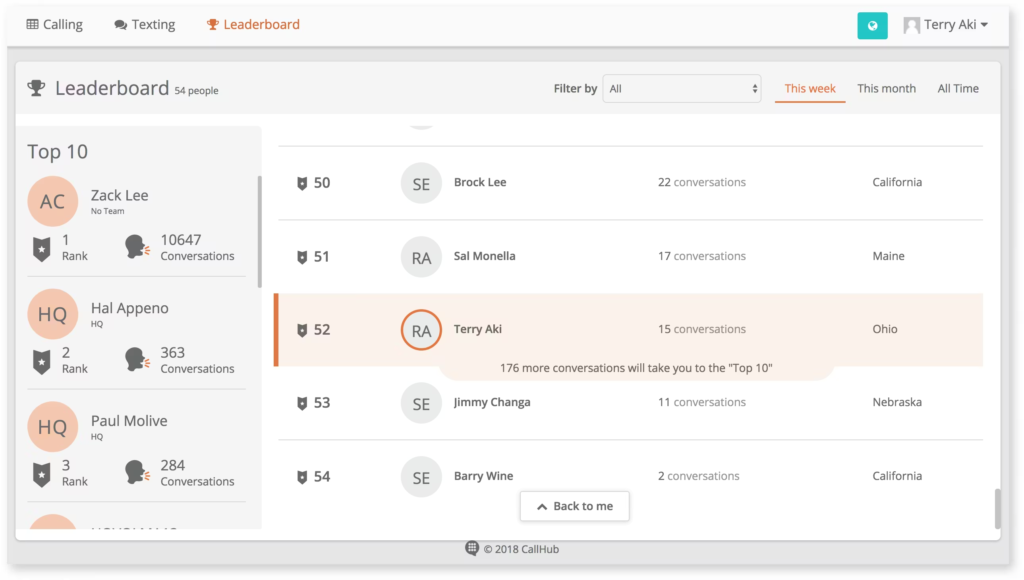
- Maintain a leaderboard with points for meaningful actions (conversations, shifts completed, surveys collected).
- Award badges for milestones like “First 50 conversations” or “30‑day streak.”
- Offer small weekly or monthly prizes for top contributors—public recognition included.
The goal isn’t to turn your campaign into a game, but to add playful structure that keeps volunteers engaged and gives them visible proof of their progress.
CallHub’s analytics dashboard, give options like leaderboard to keep the ethusiasm going with other fellow volunteers as well
Conclusion
Volunteer appreciation is not a one‑day campaign; it is a year‑round culture. With millions of Americans collectively contributing billions of volunteer hours valued at tens of billions of dollars each year, showing genuine gratitude is both the right thing to do and a smart strategy for long‑term impact.
By combining formal recognition (events, awards, spotlights) with informal, everyday gratitude—and by using tools like CallHub to keep communication personal at scale—you can make sure your volunteers always know how essential they are to your mission.
FAQs about volunteer appreciation
1. What should you say to a volunteer in appreciation?
A sincere, specific thank-you works best. Mention the impact of their effort, for example: “Your time and dedication helped us reach more people and made a real difference—thank you for being part of our mission.”
2. What is a good appreciation gift for volunteers?
The best volunteer appreciation gifts are thoughtful and practical. Popular options include personalized thank-you notes, branded merchandise, gift cards, experience-based rewards, or small tokens that reflect your mission.
3. What are the three R’s of volunteering?
The three R’s of volunteering are:
- Recognition
- Respect, and
- Retention. When volunteers feel respected and recognized, they are more likely to stay engaged and committed long-term.
4. What’s a good volunteer appreciation quote?
A popular volunteer appreciation quote is: “Volunteers do not necessarily have the time; they just have the heart.” This captures the spirit and generosity behind volunteer work beautifully.