

A California coalition, 2.6 million dials in six weeks, and Workflows that turned every “yes” into a text, an opt-in, and a volunteer lead for partner organizations.
| Organization | Sector | Geography | Products Used |
|---|---|---|---|
| Statewide Voter Coalition | Civic Engagement / Ballot Measure | California (Statewide) | Phonebanking · P2P Texting · Text Broadcast · Workflows |
About the Coalition
The coalition is a statewide California network that works through community-based partner organizations to bring voters into the democratic process. It is an umbrella organization: its partners share its outreach programs and want to grow their own volunteer bases from the people the coalition reaches.
In 2025, that model was put to the test. Prop 50 was on the ballot in a special election, and the coalition’s goal was simple to say and hard to do: get as many people as possible to say yes. That meant door knocking, phonebanking and get-out-the-vote work running at the same time, with every contact feeding the next step and every partner counting on the lists that came out of it.
We worked with the coalition’s Director of Data & Strategies through the Prop 50 campaign, from the first calling campaign in September through Election Day. They saw both sides of the program: the volume of calls going out, and the data work needed to make each one count after the call ended. This is their story.
The Problem: Four Manual Steps Between Every Call and Every Text
A Campaign Where Every Yes Mattered
In a ballot measure campaign, a “yes” on the phone is only the start. A voter who says yes needs reminders before Election Day. A voter who agrees to hear more can be reached again in future campaigns. And many of those voters are potential volunteers for the coalition’s partner organizations.
So every call had three jobs: persuade, follow up, and build for what comes next. The tools had to keep up with all three, at the speed of a six-week campaign.
A Tool That Broke at the Worst Moments
The coalition had been using a popular outreach tool in California, one closely integrated with PDI. But it ran into bugs at critical moments, and it had no integrated texting. Getting texts out meant going down a rabbit hole.
Here is how it used to work. First, the team made calls through phonebanking. Then they downloaded the data. Then they filtered out everyone who said yes to further communication. Then they uploaded that contact list into a separate texting tool. And only then could they send a text.
Partners Left Waiting, Support That Cost Extra
Even when the team managed to get the right contacts uploaded and the texts sent, sharing those contacts with partner organizations was its own manual job. These were potential future volunteers, and getting them to the right partner was slow and clumsy.
The team felt unsupported during crunch time. What made it especially painful was that the coalition was being charged for tech support, even for small issues.
What the old process put at risk
Every manual step sat between a voter saying yes and that voter hearing from the coalition again. In a six-week campaign, delays cost follow-ups, opt-ins for future campaigns, and volunteer leads that partner organizations were counting on.
How CallHub Solved It
The coalition did not need another tool to bolt on. They needed calling, texting and list management to work as one system. We set the campaign up so that what happened on a call decided what happened next, automatically.
One Calling List: Door Knocks and Phone Calls Together
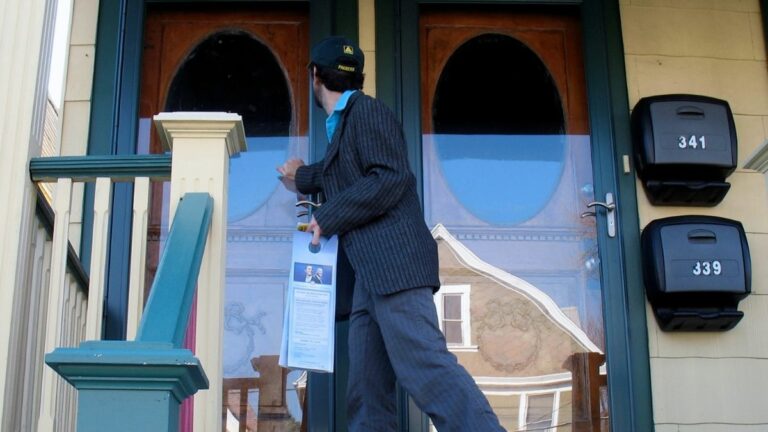
The coalition’s volunteers were knocking on doors while the phonebanking campaign ran. Everyone who said yes at the door was added to a single calling list in one CRM, so the phone team always worked from the same picture of the electorate as the field team.
Voter Persuasion Workflow: From Yes to Text, Automatically
The coalition wanted everyone who said yes on a call to enter a voter persuasion journey right away. With CallHub Workflows, a yes on the call added the voter to a P2P texting campaign. From there they received GOTV texts five days before the election and again the day before.
BEFORE: THE OLD TOOL
- Make calls through phonebanking
- Download the call data
- Filter out everyone who said yes
- Upload the list to a separate texting tool
- Finally, send the text
WITH CALLHUB WORKFLOWS
- Voter says yes on the call
- Workflow adds them to a P2P texting campaign
- GOTV texts go out five days before and the day before
- Opt-ins and partner lists update on their own
One call. One yes. One text journey, started automatically.
Opt-In Workflow: Two Birds with One Call
During each call, callers ran a short survey to find out who wanted to hear more. Everyone who agreed automatically received an opt-in text and was added to a separate list for future 10DLC campaigns.
This is the clever part. Political messages do not need opt-ins, but other campaigns do. Every Prop 50 call doubled as list building for the work that comes after the election. Two birds with one call.
Partner Workflows: Lists That Build Partner Volunteer Bases
The coalition’s partner organizations used sub-accounts to call its main contact list. Workflows let the coalition find the contacts who wanted to volunteer, sort them into lists, create a new list for each partner with only the contacts that partner called, and share it with them directly.
Partners then used those lists to build their own volunteer bases. One outreach campaign strengthened the whole coalition. The workflow handled the hand-offs. The coalition’s callers handled the conversations.
What Workflows made possible
- Door-knock yeses and call lists unified in one CRM
- Automatic P2P GOTV texts for every voter who said yes
- Opt-ins collected on the call for future 10DLC campaigns
- Volunteer leads segmented and shared with each partner organization
- Calls, texts and lists in one platform, no extra tools required
The Results
Between September 23 and Election Day, the coalition’s Prop 50 program placed 2.65 million calls to 1.19 million voters. 1.4 million of those calls were answered, and more than 217,000 became live conversations. Prop 50 passed.
The most significant result is not a metric. It is that a coalition of community organizations came out of a six-week sprint stronger than it went in: with opt-ins for future campaigns and volunteer lists in partners’ hands, not stuck in a spreadsheet.
“Compared to other groups, we had the highest contact rate in the campaign, and using CallHub helped.”
Director of Data & Strategies, Statewide California Voter Coalition
What the Coalition Can Do Now That Was Not Possible Before
- Move from a call to a text without touching the data. A yes on the phone starts the texting journey automatically, with no download, filter or re-upload.
- Run GOTV reminders on autopilot. Every supporter gets texts five days out and the day before, with nobody building the lists by hand.
- Build future lists while running today’s campaign. Opt-ins collected on the call are ready for the next 10DLC campaign.
- Hand partners their volunteers directly. Each partner organization gets its own list of contacts who want to get involved.
- Run calls, texts and lists in one platform. No second texting tool, and no paying extra for support during crunch time.
The Bigger Picture
Most campaign outreach ends on Election Day. The list goes cold and the work starts over next cycle.
The coalition’s did not. Within days of the polls closing, partner organizations were already calling back the voters they had reached, this time to invite them to local events and actions. Over the following winter, that follow-up program made more than 200,000 calls. The yeses from Prop 50 became RSVPs and volunteer leads, and by the June primary, a warmer list to start from.
The coalition’s Prop 50 program shows what changes when the call is wired to everything that comes after it. The calls won the vote. The workflows made sure the work kept paying off for every partner after the polls closed. Talk about downriver impact.
What Came Next for the Coalition on CallHub
Prop 50 was not the end of the program. It was the start of the list. In the year since, the coalition and its partners have kept calling the same voters, and every cycle has started warmer than the last.
| Period | Milestone | What happened | Volume |
|---|---|---|---|
| Sep to Nov 2025 | Prop 50 | Calls, P2P GOTV texts, opt-ins and partner lists, all driven by Workflows. | 2.65M dials |
| Nov 2025 to Mar 2026 | Local events and actions | Partners followed up with the people they reached and invited them to local events and actions, confirming RSVPs by call and text. | 200K+ calls |
| Feb to May 2026 | Volunteer recruitment | 11 partner sub-accounts worked warm and hot volunteer leads ahead of the primary. | 80K+ calls |
| Apr to Jun 2026 | June 2026 primary | English and Spanish GOTV, voter ID texting and recruitment, from Kern and Tulare to San Bernardino. 307,000 voters reached, 37,000+ texts. | 856K calls |
| Sep to Nov 2026 | November 2026 general election | 2.35 million voters, nearly 5 million answered calls, 649 callers, and the Prop 50 opt-in workflow running again on every GOTV call. | 7.5M dials |