



Table of Contents
Political fundraising has become the gatekeeper for modern primary debates, with candidates expected to prove both viability and broad grassroots support before they even get on the stage.
For the first 2024 Republican presidential debate, for example, candidates were required to have at least 40,000 unique donors, including 200 donors from at least 20 states or territories, on top of specific polling criteria.
In simple terms, that means political fundraising is no longer just about raising a big number; it is about building a wide base of supporters across the country.
This playbook breaks down how political fundraising works today, the channels and tools you can use (from call time and texting to events and political fundraising software), and practical steps you can take to build that kind of national donor base – even if you are starting from a local or first-time campaign.
What is political fundraising?
Political fundraising is the process of raising money to help a particular political candidate or party run for elections, whether local, state, or federal. It includes everything from setting a fundraising goal and planning outreach tactics to using political campaign fundraising software to track donors and execute the campaign.
A solid political fundraising plan usually covers:
- Setting a realistic fundraising goal for your race
- Planning tactics and strategy to reach donors
- Establishing a timeline for execution
- Building a network of donors (or prospects) to reach out to
- Budgeting expenses to get started with fundraising for political campaigns
- Executing voter and donor contact via various channels
Political fundraisers can include candidates, staff, volunteers, and political action committees. The funds raised by political action committees are used to promote the candidate, their initiatives, and their political party, and they often work alongside your own political campaign fundraising platforms to support shared goals.
Read Also: How to Boost Political Fundraising with CallHub
Why is political fundraising important?
Beyond meeting basic ballot or debate criteria, political fundraising directly determines how much campaigning you can actually do. More money means more voter contact, more ads, more organizing, and ultimately a better shot at winning the office.
At the same time, a strong run of political fundraising is a public signal of credibility and staying power. A candidate who can consistently raise funds from a wide base of supporters looks more viable to voters, media, and party organizations.
Finally, political fundraising efforts enable volunteers and supporters of the party to come together and be more involved in the campaign.
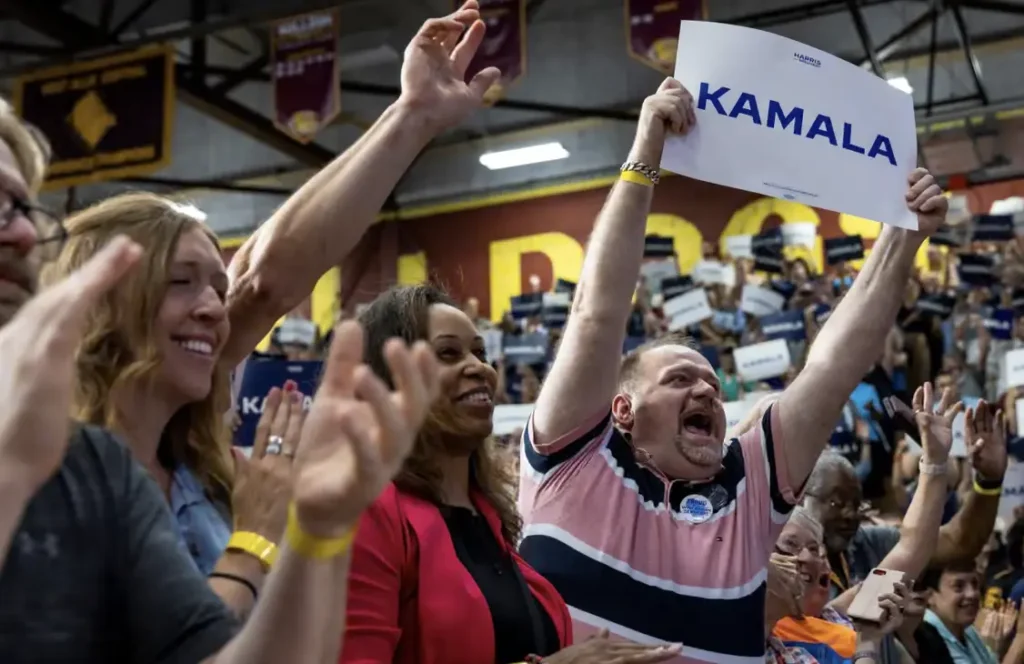
For instance, Kamala Harris had an army of volunteers with 170,000 people signing up, who led thousands of fundraising events themselves during her 2024 campaign.
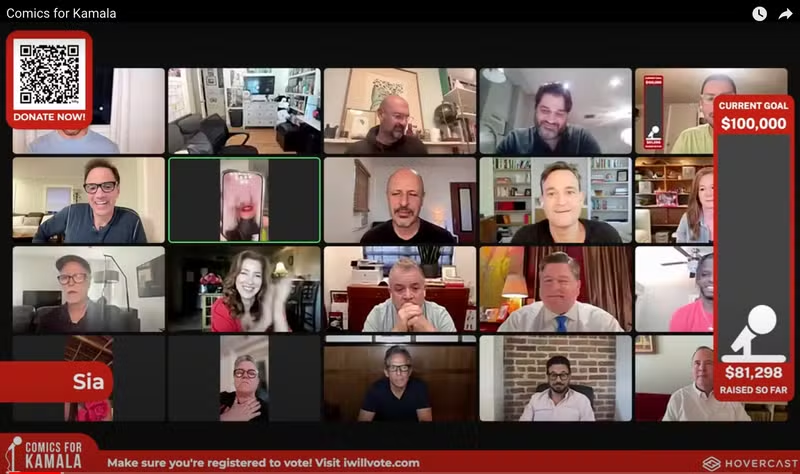
These supporters hosted virtual fundraising events and Zoom meetings to meet and strategize with their peers on how to bring in more supporters, turning political fundraising into a community-building engine rather than just a money chase.
Read Also: Ways How Online Political Fundraising Helps Campaigns Soar
Where does the money come from?
A better way to frame this question is: which funding sources should you prioritize so your political fundraising effort gets the best return on time and energy?
To answer that question better, take a look at how much different fundraising sources contributed to the 2020 election campaign:
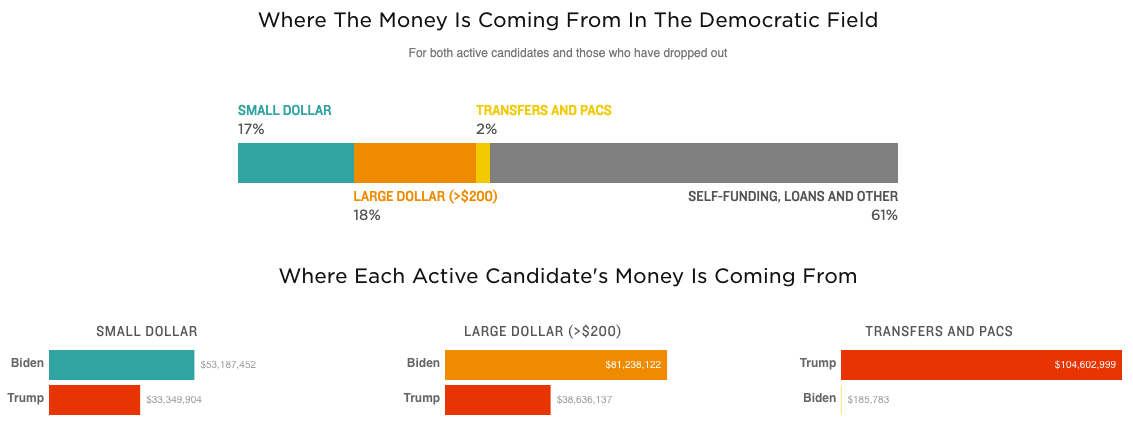
Source: National Public Radio
Self funding
Self funding is when candidates use their own money – savings, income, or loans – to jumpstart the campaign. It is often the first pool of money available and can be crucial for early branding, basic staffing, and initial voter contact.
Trump, for instance, famously self funded his 2016 Presidential campaign putting in about $66.1 million of his own money.
The upside of self funding is speed and control: you do not need to convince anyone else before you can act, and you know exactly how much money you have to work with.
The downside is that your capacity is limited by your personal finances, and heavy self-funding can affect how voters perceive the campaign. Used wisely, self funding should be treated as seed money that buys time for you to build a broader, sustainable political fundraising base powered by external donors.
PACs and Super PACs
Political Action Committees (PACs) and Super PACs raise money from individuals, labor unions, and sometimes corporations (where allowed) to support candidates and causes. These donors tend to be issue- or party-aligned and give to further an agenda they care about, not just a single personality.
For your political fundraising strategy, this means you need clear alignment with their goals, strong relationships, and a credible campaign if you want access to this money. At the same time, PAC and Super PAC support often makes up a relatively small share compared to overall grassroots and direct campaign fundraising, and the rules are more complex. In many races, PACs that raise money through labor unions and Super PACs together contribute only a small fraction of total funds, even if the absolute amounts look large.
Based on the difficulty of winning this kind of support and the limited share it may represent in your overall budget, consider PACs and Super PACs as part of a broader mix rather than your primary fundraising pillar – and make an informed decision about how much time and effort to invest here relative to small donors and major individual donors.
Small donors Or grassroot fundraisers
These are the supporters who contribute anywhere upwards of $2 for your campaign. Clearly, the more supporters and willing contributors you have, the higher the funds you can raise.
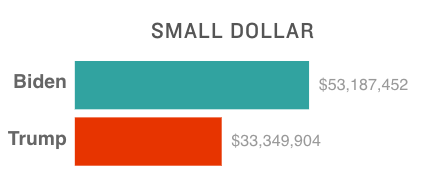
Despite Trump’s popularity (at the time of fundraising – 2018), it is Biden who has won more funds from small donors.
This shows that small donors have immense potential in driving more funds to your campaign. Bernie Sanders was able to channelize their giving power into being the primary source of party funding.
Even if you don’t choose to rely solely on grassroots funding, it is crucial that your political fundraising plan accommodates their contribution limits.
Read Also: Small Donor Retention: Tips You Need to Know
Major donors
Major donors are the segment of supporters who can afford to give a considerable sum towards your campaign. The size of the contribution (to be classified as a major donor) can vary from campaign to campaign.
The biggest advantage with these donors is that they bring consistency to your campaign efforts. They also save you the hassle of scrambling for last minute small political donations from grassroots fundraising. Both of these aspects have an immense impact in face-paced races.
Read Also: Beyond the Ask: 5 Strategies for Engaging Major Donors
Other candidate fundraising
Here is an interesting example of fundraising from other party members:

Source; ActBlue
The fundamental objective is that the money gets used for all progressive candidates (and not just one).
But what makes this effort successful is how the ask is made. The donor has complete control in how much he wants to donate (and to whom). Instead of evenly distributing his contribution, the donor also has the liberty of giving more to one candidate.
Finally, the process of giving itself is simplified. The donor can choose to make their contribution limit monthly (upselling!). And if possible, can also use PayPal to send in the gift (makes it so much easier for them!).
You can follow a similar approach to your political fundraising campaign – so that the donor feels that they are actually contributing to improving the cause they (and you) stand for, instead of simply putting you in power.
Given such varied options, an ideal political fundraising campaign will aim to raise funds from political action committees as many sources as possible. Take a look at a similar breakdown of fundraising sources for the Michigan Governor election:
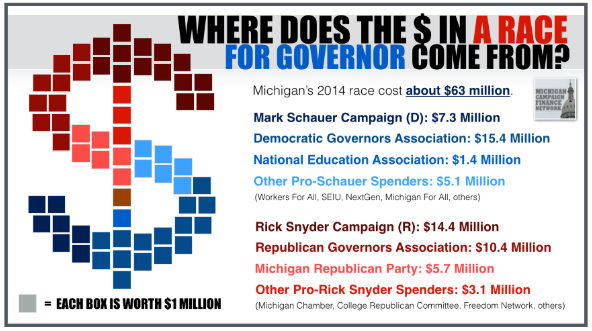
Source: Michigan Campaign Finance Network
To get started, check out the public financing programs available in your city that can help you with your fundraising efforts.
Keep in mind that these sources of fundraising are not mutually exclusive. That is, you can approach donors who are majorly contributing, regardless of grassroots fundraisers.
However it is quite taxing on the fundraising campaign to focus on multiple avenues of fundraising. To make it easier, you can prioritize one over the other, based on how much returns you can expect.
E.g. In small town elections, where the small donor pool is low, you can look at major donors and PACs who raise money through labor unions to help you out.
What channels can you use for political fundraising?
An ideal fundraising channel enables you to engage with your donors with personal conversations and minimizes friction to give.
So while picking a channel to communicate with your donors, see if it can:
- Allow personal, one-to-one interactions where it matters
- Reach many donors with relatively low effort
- Let you target based on behavior, interests, and giving history
- Meet donors where they already spend time (email, social, messaging apps, events)
Not every channel will tick all these boxes, and different segments respond differently. TV and news media can reach a wide audience, but they often do not have the same impact as a more personal phone-call.
Similarly, texting can be a great way to personally reach a lot of people, but used too aggressively it can lead to fatigue and your texts can get ignored.
So the channel for raising funds depends on the segment of voters you are targeting. TV and news can help you find new audiences who are sympathetic to your policies, while phone calls, texts, and emails are better at moving known supporters to donate.
Political fundraising software and integrated campaign tools help you juggle these channels without losing track, especially when you use a unified platform like CallHub to manage calls, texts, and follow-ups in one place.
Website for political fundraising
Of all the channels at your disposal, your campaign website is the most obvious starting point for political fundraising. Supporters naturally visit it to learn about your policies and initiatives, which makes it the perfect place to invite them to donate.
To get the most from your site:
- Place a clear “Donate” button in the main navigation and above the fold.
- Keep the donation form short, mobile-friendly, and fast.
- Offer preset amounts plus a flexible “Other” option.
- Add an easy recurring toggle (monthly or weekly) after the first gift.
A website is also an excellent place to upsell or cross sell to the donor. Anedot found that when political campaigns use upsells on their platform, there is a 25% chance of conversion. That means 1 in 4 donors when offered an opportunity would be willing to contribute more.
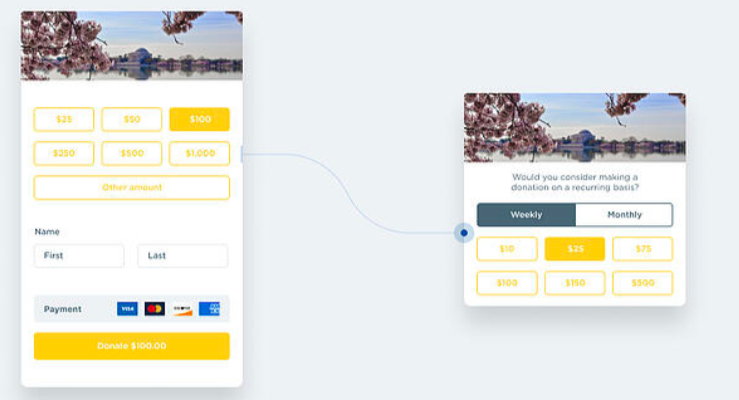
Use this wisely by presenting upsell options only after a donor takes the initial action: once they have made a contribution, ask if they would like to increase the amount, make it recurring, refer a friend, or sign up for regular updates.
Political campaign fundraising platforms can handle payments, recurring donations, and one-click upsells, while your political fundraising software or CRM keeps all this data in one place so you can track, segment, and follow up effectively. A well-designed election campaign website will take all these elements into account; if yours doesn’t yet, this is the time to revisit it from a fundraising perspective.
Emails for political fundraising
Here is an email that was used in the 2012 Presidential elections. Take your time to look through it, it has a lot of interesting elements.
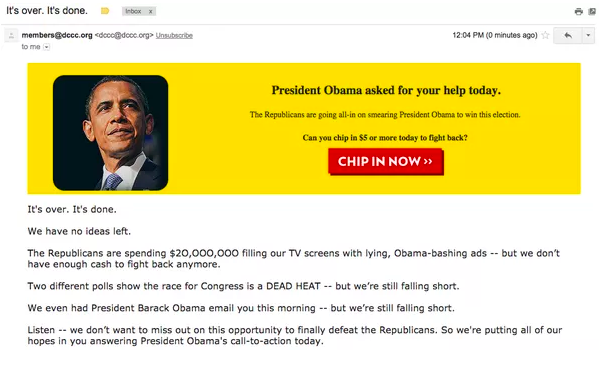
The first aspect that jumps out is how provocative this email is. Right from the subject line, to directly talking about competition, this email pushes all the right buttons to encourage the reader to make a donation.
Apart from the language, the email also has a button that (on top of the fold), that leads to the donation page, a powerful CTA, and also a ‘reasonable’ ask of only $5.
While it was criticized as ‘over the top’ at that time, they still worked. 41% of Obama’s $139 million in funds came from political donations less than $200, a significant chunk of it driven from such emails.
For your political fundraising campaign, this means that email can be a solid source of voter or supporter contact. It could work in scenarios where you want to contrast your party and candidate with the opposition and outline a clear case for why you need the funds.
Political fundraising call time
Despite the evolution of political fundraising over time, ‘call time’ still remains a popular personal channel of fundraising.
Call time is when the candidate themselves (or the staffers or volunteers from the campaign) set aside some time to reach out directly to their supporters and ask for monetary solicit contributions.
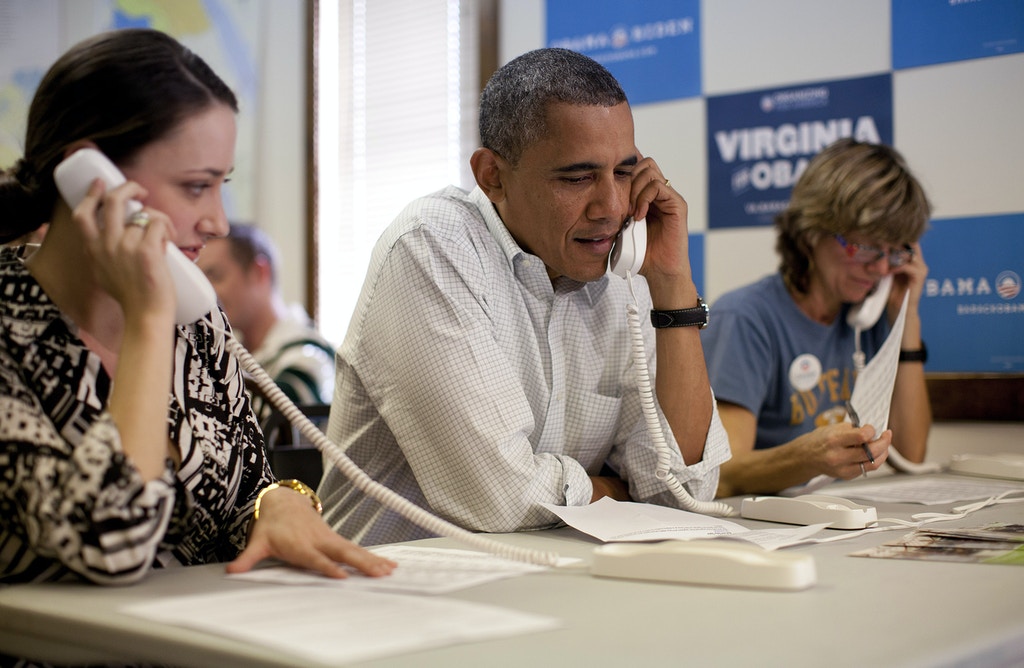
Source: The Intercept
Clearly, Call time is about making one-on-one asks. It is the number one source of funds for a lot of political campaigns, because the candidate can encourage large contributions from donors.
This does not mean that the candidate spends time talking to every supporter on the list. The most loyal supporters, who also have good propensity to give, are identified and are called on priority.
These supporters could be from the Candidate’s own network or close associates who staunchly root for the candidate’s win.
A crucial asset in your call time campaigning is the call center software you use to make the calls. It should integrate seamlessly with your other political campaign tools (like your CRM), so that your staffers can optimize the Ask.
It should also enable you to take notes while on the call and also tag contacts who request a call back (and not let the slip through the cracks).
For instance, CallHub allows users to select the call disposition after each call. If contacts request a call back later, then the volunteers can select “CALL BACK” from the dropdown. Such contacts will automatically be called back (within campaign times) by the system.

Source: CallHub
What we have seen scratches just the surface of the strategy and tools required to execute the perfect fundraising call time for your campaign.
Political fundraising via texts

Texting has become a core channel for political fundraising ideas that scale, especially with younger and mobile-first audiences. The 2020 Presidential primaries saw the dawn of serious texting for fundraising request: Bernie Sanders’s campaign was famously known for using peer-to-peer texts to encourage supporters to donate, while Pete Buttigieg used mass texting with links to his donation page to raise money for his primaries.
There are two main approaches:
- Mass texting: broadcast messages to large, opted-in lists, usually with a short, clear link to your donation page.
- Peer-to-peer texting: individualized conversations initiated by volunteers or staff using a platform that lets thousands of texts go out quickly, with real, personal replies.
While people can ignore emails and calls, texting still offers an excellent opportunity to have one-to-one conversations at scale.
When timed around key moments like debates, deadlines, or breaking news, and when supported by good tools for peer-to-peer texting, text campaigns can drive a steady stream of small-dollar donations and complement your other political fundraising channels.
While people could ignore emails and calls, texting still afforded an excellent opportunity to have one to one conversation at scale.
So mass texting and peer to peer texting are excellent opportunities for you to reach your voters and win funds.
Events (Dinners, virtual meets)
Candidates host dinners and events that supporters pay to attend. It is an opportunity for supporters to talk to their candidate (and question him on policies), and simultaneously chip in for his campaign.
Pete Buttigieg’s ‘wine cave dinner’ was one such example. It is important to note that these events and meetings will serve as rallying points for your supporters to gather and encourage them to get more involved in the process.
Events and rallies are also excellent opportunities to bring your supporter base together. During the event you can make a fundraising ask (via a text or an opt-in) and thus win political donations.
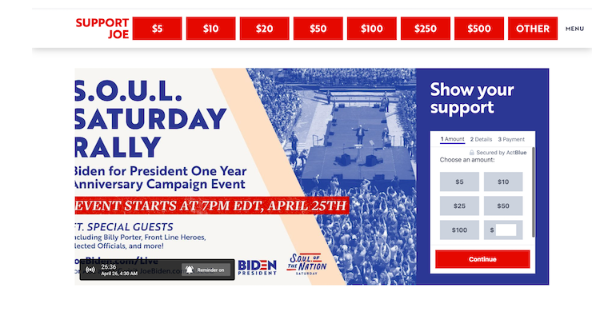
Biden’s recent rally for the Presidential elections is an excellent example. Thanks to social distancing laws, they opted to have a virtual rally.
Using ActBlue’s embeddable videos feature, they were able to insert a form on the right, while the event was live! Also, the event was streamed across multiple platforms (e.g. Twitch, Facebook) so that participants could tune in via a channel they preferred.
If virtual events become the norm of the future, then having an embedded donation option right on screen can be an effective fundraising tactic you can try.
Political fundraising via merchandising
Campaign merchandise – t-shirts, hats, yard signs, stickers, tote bags – serves a dual purpose: it raises money and spreads your brand. Supporters who wear your merch become walking advertisements and signal their affiliation to friends, family, and neighbors.
Use merch strategically:
- Offer a small merch item as a thank-you for a certain donation level.
- Launch limited-edition designs around key issues or moments.
- Promote merchandise heavily on your website, emails, and social channels.
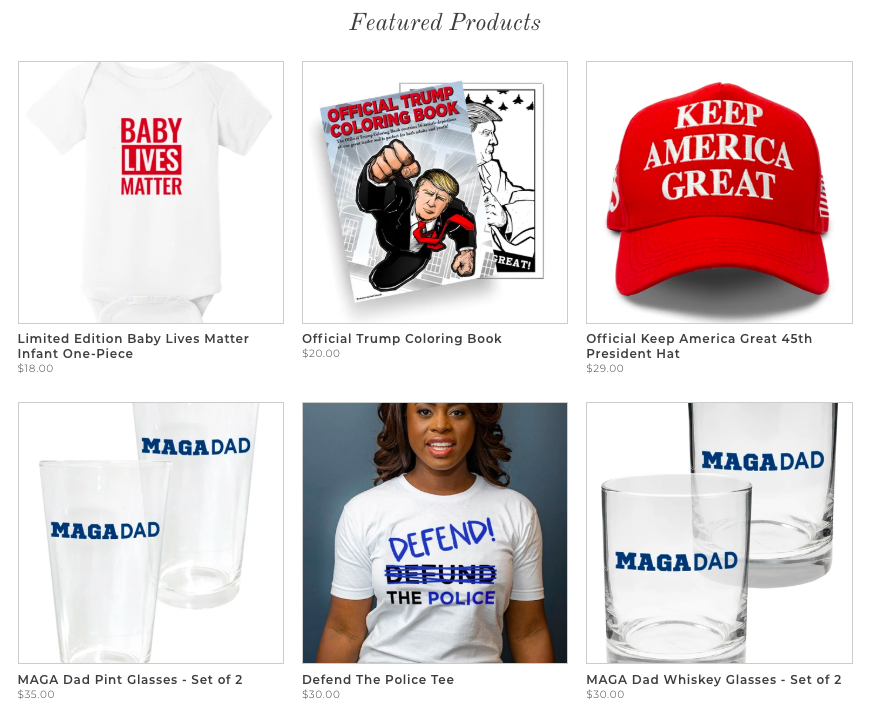
Notice in the above image that the Republican party is responding to the current political climate in the US to sell merchandize around the #blacklivesmatter movement.
Similarly, Biden introduced Pride buttons (for pride month) to vocally state his stance on the matter.
Tracking merch buyers in your political fundraising software helps you identify especially engaged supporters who may be open to higher asks or leadership roles later.
Political fundraising trends to watch
The political fundraising landscape is changing rapidly, and campaigns that adapt early have a real advantage. A few key trends stand out:
- Mobile-first giving: more donors are discovering campaigns on their phones and completing donations on mobile-optimized pages.
- Integrated tech stacks: campaigns are moving from spreadsheets to cohesive systems that connect phones, texts, email, and donation data.
- Always-on digital: instead of relying only on big events or deadlines, campaigns run continuous digital and text fundraising programs throughout the cycle.
Political fundraising software and political campaign fundraising platforms sit at the center of these trends, helping campaigns centralize data, automate routine tasks, and personalize outreach at scale.
Let’s have a look at each one of them:
Shift to mobile fundraising
2019 is the first year where the majority of ActBlue’s contributions came by mobile. However, by 2023 mobile giving made up more than 205% of the total donations.
How can you harness this trend?
An overwhelming shift to grassroots mobile activity shows the immense potential of P2P texting in political fundraising.
Reaching supporters on a one to one basis, and sending them website for additional information when they agree to donate can be pivotal in winning small donor contributions for your campaign.
Tech enabled approach
There is a drastic shift to tech-enabled voter outreach in all campaign spends. Over the past years it has steadily increased. And according to Higher Ground Labs, it is set to increase by 40% from 2016 to 2020.
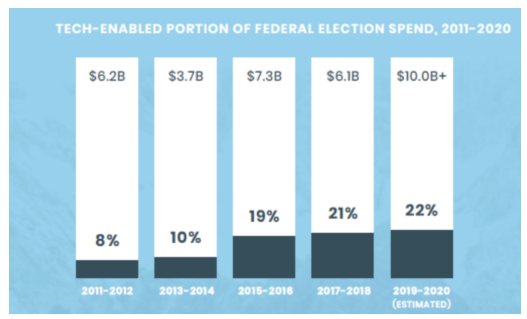
Source: Higher Ground Labs
To encourage that, you can use technology to further support your existing fundraising efforts and enable remote contact.
How can you harness this trend?
Having solid technology support during supporter outreach and donor engagement means that you have a higher chance of cutting through the noise and making an impact.
For instance, while reaching out to large donors via a call, you can also text them directly from call center with pertinent information.
Similarly, during the COVID-19 pandemic, when in-person interactions with donors become limited, you can once again look to tech to bridge the gap.
More Zoom calls, phone meetings, and text follow-ups can help you maintain donor relationships and encourage them to convert. These strategies are key to relationship building, ensuring that donors feel valued and engaged throughout the campaign, which increases the likelihood of their continued support.
An integrated digital fundraising campaign
In a few short weeks (with the onset of COVID-19), the way people consume content and engage online has changed.
Attention has shifted to connected TV, online gaming and audio streaming. So running ads on these platforms (instead of focussing on NBA games as before), will help make your campaigns more relevant.
How can you harness this trend?
Run an integrated campaign where the same message targets the same audience across multiple channels (including the channels that they now frequent). What will change would be the ad (or content) format.
For instance, you can run ads on social media with static graphics and show them to audiences based on their interest groups or target demographics.
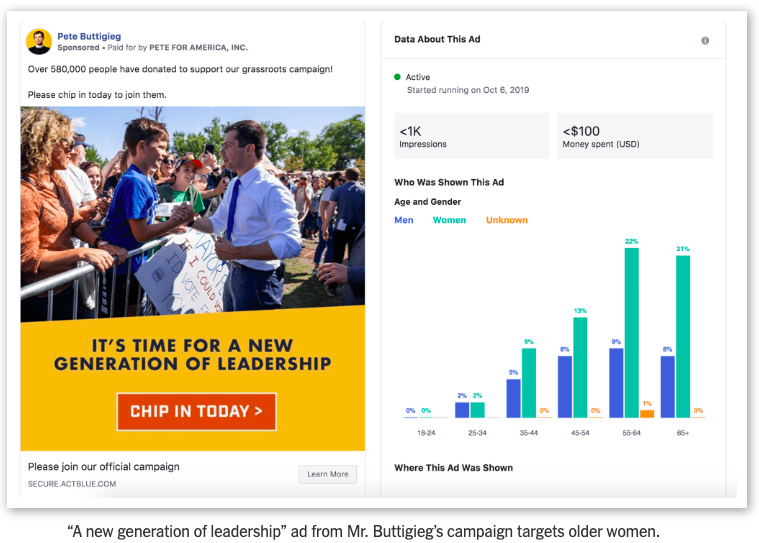
Source: NYtimes
You can reinforce the same message as a video (or an audio file) – across platforms like Twitch and Hulu to re-target the same audience who ‘liked’ or interacted with your previous ad.
Finally, when they make a donation, you can send them an email (and even a follow-up text), with a message that is personalized based on behavior.
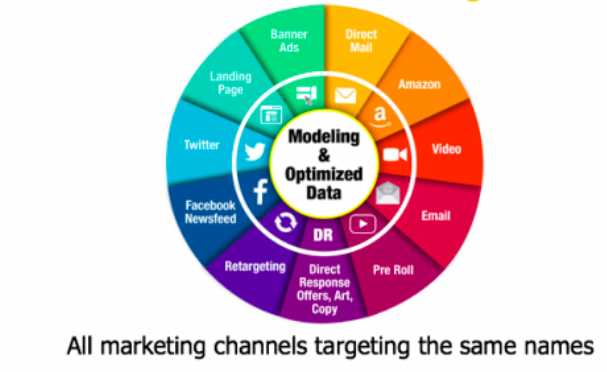
Source: CDMG inc
If supporters drop off before making a donation, follow up with them via a text. If a donor who has pledged support needs a reminder, call them to encourage them to donate.
Ensure that the software you use shares data with each other to reduce loss of data. This will ensure you can tailor your messages based on voter preferences. Also an insight into voter behavior can help make your messages more targeted.
How to get started with Political fundraising?
Getting started with Political fundraising as early as possible in the campaign will give you enough time to rake in the funds and fuel your campaign. Here is a rough outline you can follow:
Setting a fundraising goal
Knowing how much money to raise for supporting your cause helps you plan your campaigns better. A fundraising goal is no magic number. It varies from election to election and depends on the costs you expect to incur during your run.
Building a team
Once you know how much you need to raise, build a team to help you get there. A finance team to keep track of the money, a management team to run the campaign and recruit volunteers.
Finalizing tactics and tools
Know the game plan to reach out to your supporters. Will you be going digital heavy? Spending more on media ads? Or will you be using texts and calls to encourage your supporters to donate?
Defining your fundraising tactics will also give you a clear picture of what tools to use to raise the money. E.g. use ActBlue for online donations, VAN integration to get contact list, and CallHub to make phonecalls (and send texts) to supporters.
Prospecting
Use data to identify which voters you will reach out to and when. Supporters who have consistently voted for your party in the past (and have already donated), are the quickest to give. They are also those who give with the first ask (or minimal prompting).
In contrast the swing voters who are undecided about which party to support would need more encouragement (repeated follow-ups) before they make a gift.
So segmenting the voters into supporters, non-supporters, and swing voters and arriving at a strategy to make the ask is essential.
Executing
Send that email, make that call, get started with the campaign.
Getting started with political fundraising can seem a daunting task. However using the data from previous candidates and a systematic approach can help bring better results, even while running for local office.
Take-away
When you follow this kind of structured approach, “how to fundraise for political campaign” becomes much more manageable. Instead of guessing, you are running a system powered by clear goals, the right people, tested political fundraising ideas, and the right political campaign fundraising software to tie it all together.
Given all that we have discussed, I will now leave you with the following take-aways:
Pick a Political fundraising strategy that works for you
In the 2016 elections, Sanders won donations by focussing more on small donors (and not the big ones). In contrast Trump turned to large corporations and self funding to keep his campaigns running. It is tough to say which one is ‘better’. Make the decision based on your supporter base and your fundraising goals.
Also keep in mind that it doesn’t have to be one or the other. Your political fundraising campaign can approach both small donors and PACs who raise funds through labor unions to keep you in the running.
Higher fundraising does not guarantee a win
The classic example is again the 2016 Presidential elections.
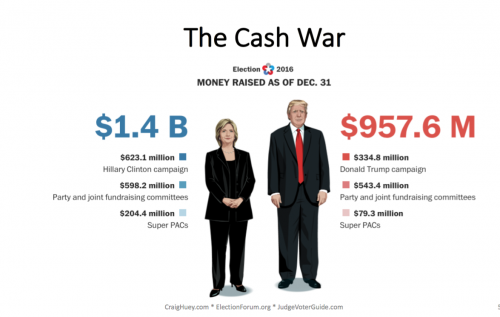
Despite raising $1.4B, Clinton went on to lose to Trump. This shows that campaign messaging and GOTV efforts are equally crucial in winning a race.
Keep up with the trends
To keep your political fundraising campaign relevant, listen to your audience and adapt how you approach them. Given that in-person events will soon be redundant focus on virtual and digital organizing to bring the bucks in.
And that’s it. All the best with your efforts!
Frequently asked questions on political fundraising
How to get political fundraising?
To get political fundraising started, first set a clear money goal based on what similar U.S. races have raised, then build a targeted list of potential donors (friends, family, past supporters, local leaders, and party contacts).
Next, choose a mix of channels – fundraising call time, email, texting, and small events – and support them with a basic stack of tools: an online donation platform, a CRM or spreadsheet to track donors, and outreach tools (dialer, email, and texting).
Finally, prioritize one-on-one asks (calls and meetings) for high-capacity donors and use scalable tactics (email blasts, peer-to-peer texting, social media) to bring in small-dollar donors consistently over time.
How to stop political fundraising texts?
Under U.S. rules and carrier policies, most political fundraising texts should offer a way to opt out, typically by replying “STOP” to the message. When you reply with STOP (or similar commands like UNSUBSCRIBE or QUIT), legitimate campaigns and vendors are required to remove your number from that texting program’s list and stop sending you further fundraising messages.
If texts continue from the same sender after you opt out, you can report the number to your carrier (by forwarding to 7726), block it on your phone, and, if needed, file a complaint with the FCC or your state attorney general
How do political fundraising dinners work?
Political fundraising dinners are ticketed events where supporters pay to attend a meal or reception with the candidate or key surrogates, often at different price tiers (general admission, host, co-host, etc.). The ticket price covers a built-in donation, and there is usually an additional “soft” or explicit ask during remarks, plus follow-up calls or emails afterward, making the event both a fundraising and relationship-building opportunity.
Campaigns must track every ticket and contribution, ensure prices comply with federal and state contribution limits, and report the event income to the relevant election authorities like the FEC or state campaign-finance office.
How to do political fundraising?
To do political fundraising effectively in the U.S., start by defining your total budget and breaking it into quarterly or monthly targets, then build a finance plan that lists how much you expect from call time, email, texts, events, PACs, and online small donors.
Set up compliant infrastructure first – register with the proper authorities, open a campaign bank account, choose a donation platform, and adopt political fundraising software or at least a structured donor-tracking system.
From there, make fundraising call time a non‑negotiable weekly habit, run regular email and text campaigns, host small and larger events, and constantly review which tactics produce the best return so you can adjust where you invest your time and budget.