

Table of Contents
The 2024 presidential election delivered a stark wake-up call for Democratic campaign managers: the turnout gap between Republican and Democratic voters has become a crisis, driven by a casual attitude towards voter outreach and the voter outreach tools that can make the difference.
While Trump’s victory may appear driven by voter preference shifts, the data reveals a more troubling reality – Democratic supporters simply didn’t show up to vote.
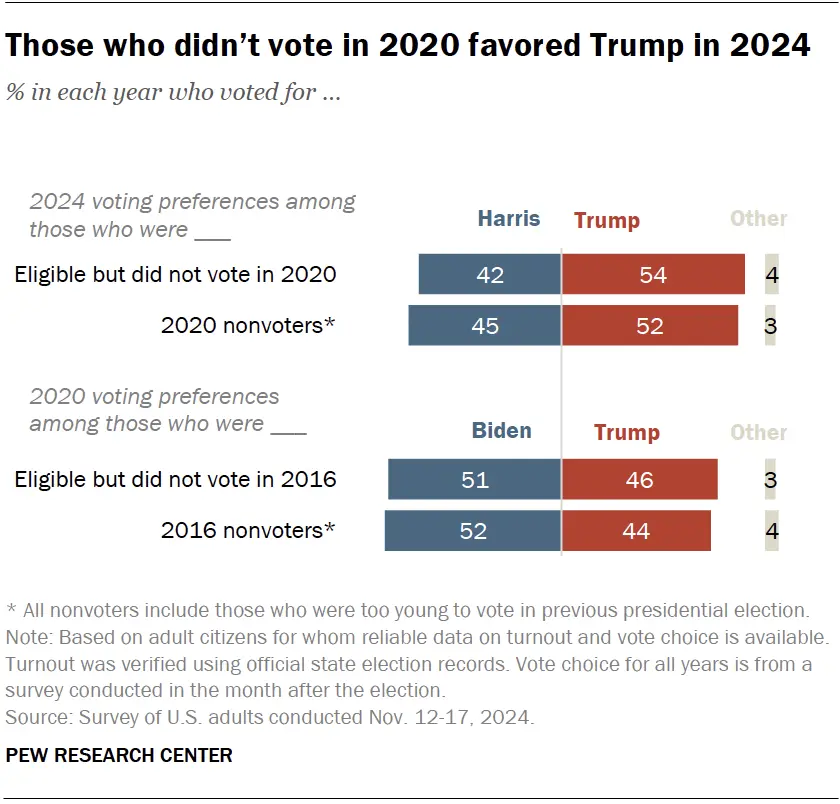
The numbers paint a clear picture:
- Fifteen percent of Biden voters failed to turn out in 2024, choosing to stay home rather than participate.
- Hispanic voter turnout dropped from 53.7% in 2020 to just 50.6% in 2024.
- Youth turnout revealed even starker disparities. 58% for young white women to just 25% for young Black men.
This wasn’t about persuasion—it was about voter mobilization failure.
For Democratic campaign managers facing the 2026 midterms and beyond, the path forward is clear: maximize Democratic turnout through strategic deployment of proven voter outreach tools.
Research demonstrates that effective outreach can move the needle by more than 10 percentage points, making the difference between victory and defeat.
Read More: Multilingual Voter Outreach Made Simple with CallHub
Voter outreach tools: Peer-to-peer and text messaging revolution
Modern campaigns must embrace digital-first strategies that meet voters where they are.
Peer-to-Peer (P2P) texting has emerged as a cost-effective mobilization tool, particularly for reaching younger and minority voters who proved challenging to turn out in 2024.
Tech for Campaigns’ analysis of 1.4 million texts across 27 states found that recipients were 0.7 percentage points more likely to vote than untexted counterparts. Most significantly, voters who scored as ‘least likely’ to vote turned out at nearly three times the rate of similar voters who didn’t receive texts.
For campaign managers targeting the exact demographic groups that stayed home in 2024, text broadcasts remain a powerful tool.
Read More: Voter Engagement with Text Messaging: The Ultimate Hack!
However, mass text message effectiveness varies dramatically by sender credibility.
Research from the UK found that messages from local authorities increased voter registration by 8 percentage points and turnout by 3 percentage points, while identical messages from advocacy organizations produced no effect.
The lesson for Democratic campaigns: Source credibility matters enormously.
Voter outreach tools: Harnessing relational organizing
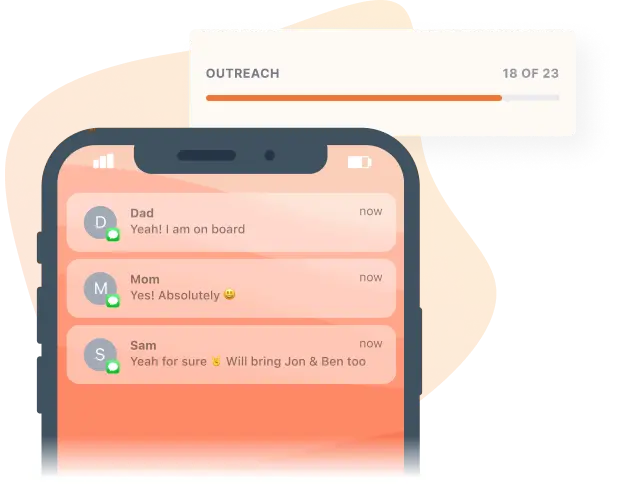
Perhaps the most underutilized tool in Democratic arsenals is relational organizing—leveraging personal relationships for voter mobilization.
The numbers are compelling. A Columbia Data Science Institute study found that texts from friends increased voting likelihood by 8.3 percentage points in the 2018 midterms.
The Center for Campaign Innovation’s recent conservative campaign study showed relational organizing produced an 8.6 percentage point increase in turnout—while traditional P2P texting showed no measurable effect.
Real-world applications demonstrate dramatic results. The 2024 Iowa Caucuses provided a natural experiment: precincts using relational organizing tools claimed a four-percent higher turnout than those relying solely on traditional methods.
For Democratic campaigns, relational organizing offers particular advantages in reaching the minority and youth voters who comprise the party’s base but showed disappointing turnout rates in 2024.
People are more likely to engage with communications from individuals they actually know, making this approach ideal for penetrating the social networks where Democratic-leaning voters reside.
Digital and social media integration
The 2024 election demonstrated social media’s growing influence on voter engagement, particularly among younger demographics.
When We All Vote registered over 300,000 Americans through social media platforms during the 2024 cycle, proving digital strategies can deliver tangible results.
However, social media works best as part of integrated campaigns rather than standalone efforts. The most effective approaches combine digital engagement with personal contact.
Read More: The Most Powerful Tools To Get Out The Vote (2025 Edition)
Campaigns should leverage social media for initial awareness and information sharing, then transition engaged users to higher-touch outreach methods like relational organizing or phone banking.
Platform-specific strategies matter. Among Gen Z voters, 64% use Facebook, 62% use TikTok, and 78% use Instagram. Campaign managers must tailor content and engagement strategies to each platform’s unique culture and user expectations.
Watch: CallHub’s webinar on ‘Get Out The Vote With Multichannel Outreach’
Strategic implementation for 2026
Democratic campaign managers preparing for 2026 should implement a multi-tiered outreach strategy prioritizing personal contact while efficiently scaling efforts:
- Deploy door-to-door canvassing in high-density Democratic areas where the cost-per-contact remains reasonable.
- Utilize strategic phone banking with well-trained volunteers focusing on genuine conversation rather than script recitation.
- Implement relational organizing campaigns supplemented by targeted P2P texting from credible sources.
PS: Use social media and digital tools for initial engagement and information sharing, funneling interested voters into higher-touch personal contact methods.
Read More: How To Use Voter Data In Your Campaigns
The 2024 turnout gap represents both a crisis and an opportunity. By strategically deploying proven voter outreach tools that prioritize personal connection and relationship-building, Democratic campaigns can mobilize the voters who stayed home and reverse the troubling trends that cost the party in 2024.
The research roadmap exists—the question is whether campaign managers will implement it effectively before 2026.
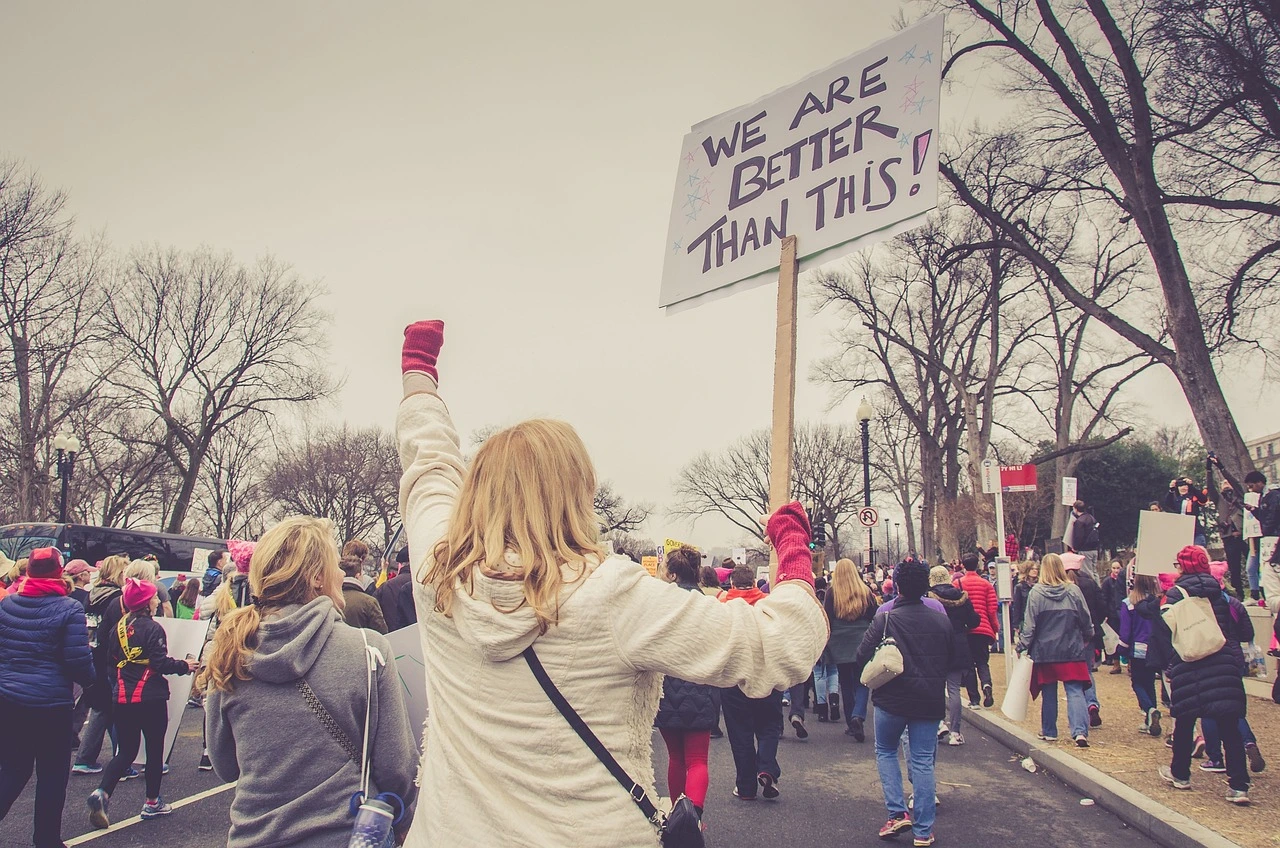
Feature image: Image by StockSnap from Pixabay