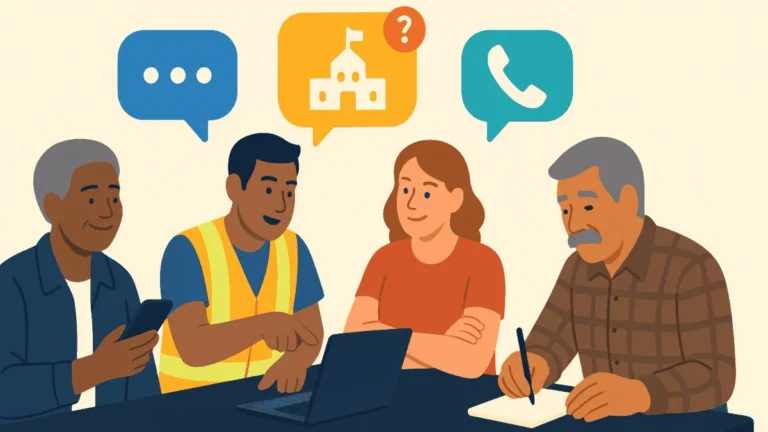

Fundraising event marketing helps you reach the right supporters at the right times, in ways that resonate with them.
If you rely on a single communication method, you limit your nonprofit’s reach and attendance goals.
A multichannel approach, on the other hand, enables your organization to build a comprehensive outreach strategy that cuts through the noise and drives meaningful action.
With the right channels and robust fundraising event marketing software, you can use more personalized marketing strategies. You can engage supporters where they already spend their time. This approach aligns with your fundraising goal and audience habits. It also supports consistent messaging across channels.
Additionally, explore the most effective communication methods to help you boost attendance, raise more, and grow your impact starting today. We will cover email, social, and personal outreach strategies. These tactics aim to convert interest into action and long-term support.
1. Email
Targeted email marketing provides a scalable, cost-effective way to deliver detailed information about event logistics and track click-through rates (CTR), making it foundational for any outreach strategy.
Strengthen your event’s email strategy by:
- Setting up an email cadence. Schedule a sequence of emails leading up to the event, sharing early-bird deadlines, key speakers or activities, and direct registration links to maintain momentum. You can optimize open rates by testing different subject lines and send times based on historical donor behavior data.
- Segmenting your audience. Tailor your messaging by separating past attendees, volunteers, and new email subscribers to ensure the content resonates with their specific relationship to your organization. Send distinct messages to recurring donors versus first-time volunteers to enhance the personal feel of the invitation.
For even more personalization, use automations that trigger emails based on user behavior, like a follow-up message for someone who clicked a registration link but didn’t complete the form. This strategy ensures your messaging works continuously in the background without adding administrative strain to your staff.
2. Text messaging (SMS)
Text messaging provides an immediate, highly visible way to connect with supporters exactly where they spend most of their time. SMS outreach boasts incredibly high open rates compared to other digital channels, ensuring your message is actually seen. Plus, setting up quick, automated text updates for your event can save your staff time without requiring extensive design or long-form copywriting.
In your event marketing strategy, use SMS to:
- Promote early-bird registration. Drive initial ticket sales by offering exclusive, SMS-only discount codes to your most loyal supporters.
- Send timely event reminders. Ensure registered guests do not miss important updates, parking details, or day-of logistics by delivering concise alerts straight to their phones.
- Share quick impact stories. Inspire swift engagement by briefly highlighting exactly how event proceeds will support your ongoing community programs.
To maximize SMS effectiveness, always include mobile-optimized links and an easy opt-out mechanism (like “TEXT STOP2END”) to maintain compliance and respect donors’ boundaries. Stick to urgent or highly valuable updates for SMS to prevent audience fatigue and preserve those high open rates.
3. Phone calls
While digital methods are fast and scalable, personal conversations remain unmatched for high-level donor stewardship. Direct phone calls demonstrate a high level of care, making supporters feel genuinely valued rather than just another contact in a database.
Some calling techniques worth employing for your event include:
- Reaching out to past attendees. Personally invite previous guests with a proven interest in your mission and a track record of support to reinforce their ongoing importance to your cause.
- Securing major donor commitments. Use phone conversations to personally invite top supporters to VIP receptions, sponsorship opportunities, or exclusive previews.
- Following up on incomplete registrations. Gently and politely check in with individuals who started but did not finish their ticket purchase to see if they need technical assistance or have questions.
Before launching a phone banking campaign, equip your callers with a standardized yet flexible script that addresses common questions and provides guidance for compelling voicemails. This preparation empowers volunteers or staff to confidently navigate unexpected conversational pivots while securing firm attendance commitments.
4. Social media platforms
Social media channels allow organizations to tailor their messaging to specific demographics, visually highlight mission impact, and foster direct interaction with prospective attendees. Users spend several hours a day on social media, and meeting your potential attendees where they already are increases potential participation for your event.
Maximize your reach by focusing on these key platforms:
- Facebook for community outreach: Ideal for creating dedicated event pages, sharing detailed schedules, facilitating group discussions, and reaching local community members across diverse age groups.
- Instagram for visual storytelling: Best for showcasing high-impact photos, short-form video reels, and behind-the-scenes content that builds emotional resonance and engages audiences.
- LinkedIn for corporate partnerships: Useful for engaging potential sponsors, connecting with business leaders, promoting corporate matching opportunities, and highlighting organizational leadership within your sector.
Repurpose long-form impact reports into bite-sized social media graphics or carousel posts to extend the lifespan of your data storytelling. Combining these organic posts with low-budget targeted social ads directed at your website’s previous visitors can capture attendees who might need multiple reminders to register.
5. Peer-to-peer fundraising networks
Empowering your existing supporters to market the event on your behalf can exponentially increase your reach and authenticity. Peer networks act as trusted endorsements, building immediate credibility with new audiences who may not yet be familiar with your core mission or services.
Mobilize peer networks through these actionable steps:
- Plan peer-to-peer activities for your event. Build momentum early with activities that excite your core volunteers and event champions. You can incorporate peer-to-peer activities such as read-a-thons, walks/rides/runs, or personal challenges into your event.
- Create personal fundraising pages. Allow your most passionate ambassadors to invite their friends, family, and colleagues while raising funds directly for your cause on a personalized peer-to-peer fundraising page.
- Equip advocates with social toolkits. Provide pre-written captions, branded graphics, and impact stories to ensure consistent and confident sharing across all platforms.
Gamifying the peer-to-peer experience by offering tiered incentives or public leaderboard recognition can drastically increase participant motivation. Establish clear, achievable milestones so your ambassadors remain focused and enthusiastic leading up to the event.
6. Volunteer and advocate mobilization
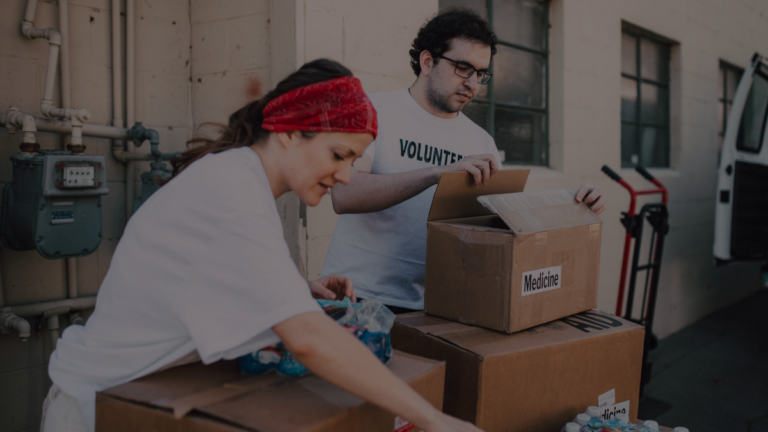
Your volunteers are often your most dedicated audience, making them perfect candidates to help spread the word about your upcoming initiatives. Mission advocates take your messaging beyond your internal mailing list, placing your event in front of local businesses, community members, and highly engaged civic groups, without drastically increasing your marketing budget.
Implement these core approaches to activate your volunteer base:
- Assign specific outreach shifts. Organize phone or text banking parties where volunteers can dedicate a few hours to contacting the community.
- Recognize milestone achievements. Provide continuous encouragement and public recognition to keep your outreach volunteers motivated and engaged.
Mobilizing volunteers and advocates increases attendance for your event and increases visibility for your organization and mission.
Fundraising Event Marketing FAQs
What specific content should I post on social media for my event?
Share engaging content like live videos, event countdowns, and quick updates. Posting on platforms like Instagram, Facebook, and LinkedIn helps build excitement and keeps your audience informed, leading up to the big day.
How can public relations help promote my event?
Public relations provides extra coverage and builds authority. By sending press releases to local news sites or industry blogs, you can generate free media attention and reach potential attendees who follow those specific outlets.
Should I use traditional offline marketing for my event?
Yes, offline channels are highly effective, especially for community-based events. Tactics like distributing flyers, hanging posters, giving away branded items, and securing local press coverage can help capture the attention of a local audience.
Do I need to use all of these marketing channels?
No, the right mix depends on your specific event type and target audience. A local community party might rely heavily on flyers and Instagram, while a professional business conference would benefit more from LinkedIn, email campaigns, and industry partnerships.
Continually audit your marketing performance metrics after each event to refine this promotional mix. Adjusting your channel prioritization based on actual registration data prevents wasted spend and sharpens your future marketing strategies.
A successful fundraising event relies on a multi-faceted marketing strategy that combines scalable digital outreach with personalized connections to boost attendance. To continue growing your impact, analyze your recent campaign performance data and refine the lowest-performing channel for your next initiative.
Author: Sarah Lewis

Sarah Lewis brings energy, strategy, and a love for writing to her role as Content Marketing Manager at Bonterra. A proud Orr Fellowship alum, she’s spent the last six years creating high-impact resources – from fundraising guides to campaign templates – that make fundraising feel easier and more impactful. She’s passionate about helping nonprofits connect with donors and tell their story in ways that spark action. Outside of work, she’s a wife, mom, live music fan, and book lover who’s always on the hunt for her next 5-star read.