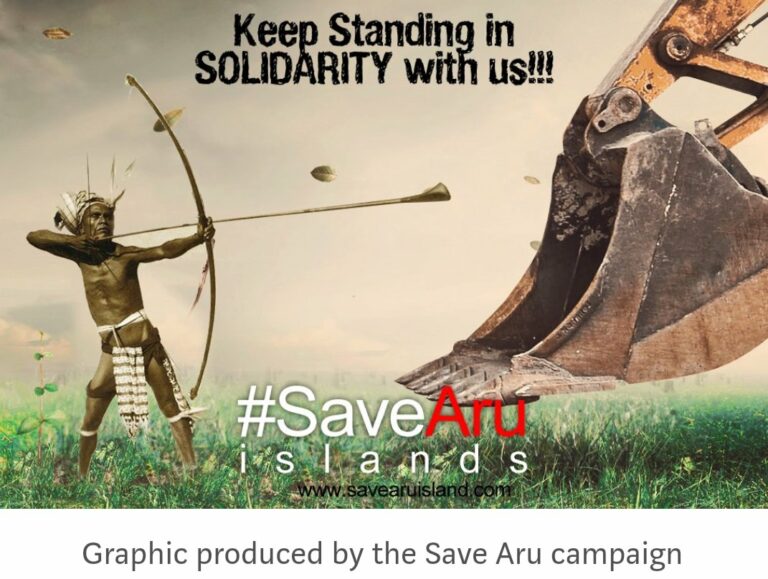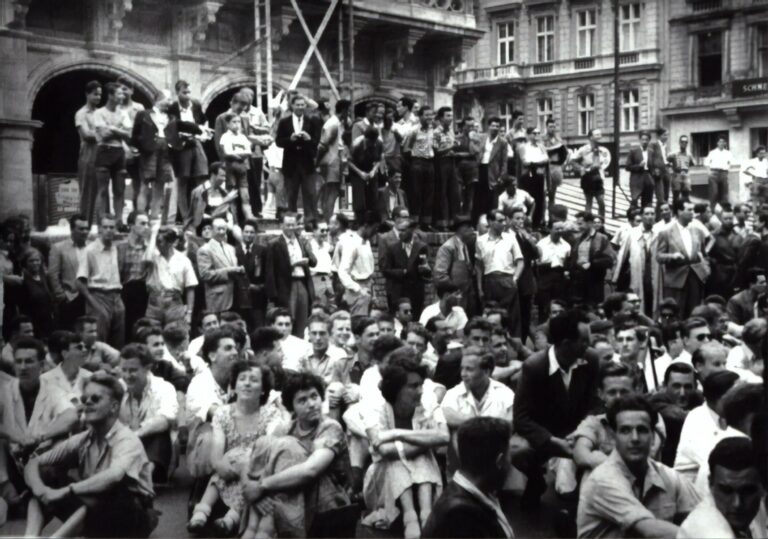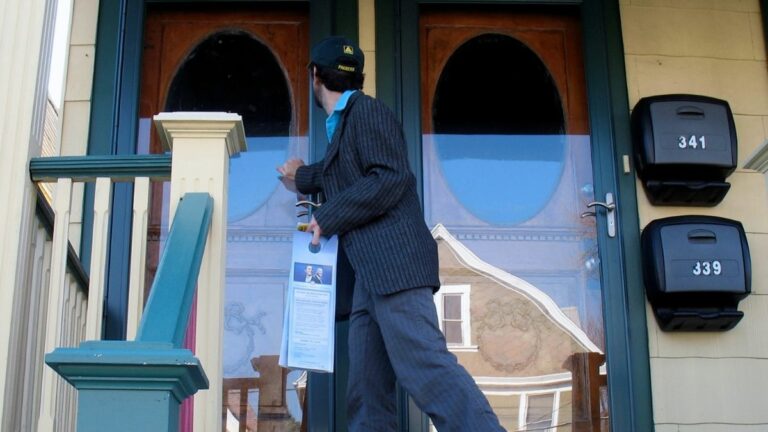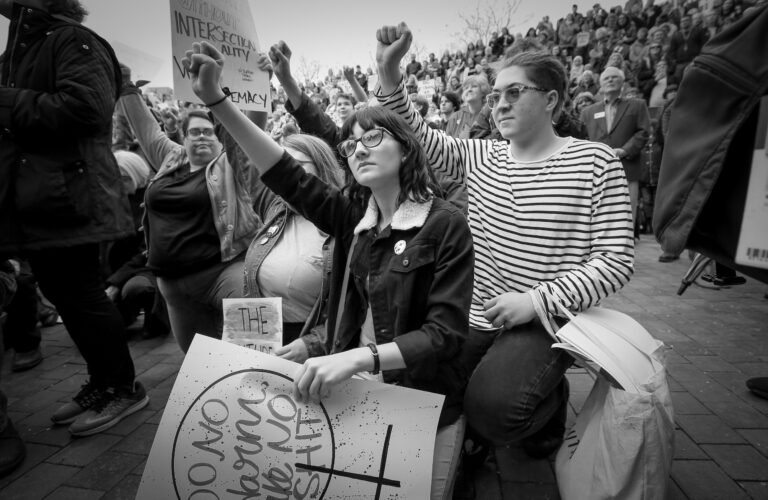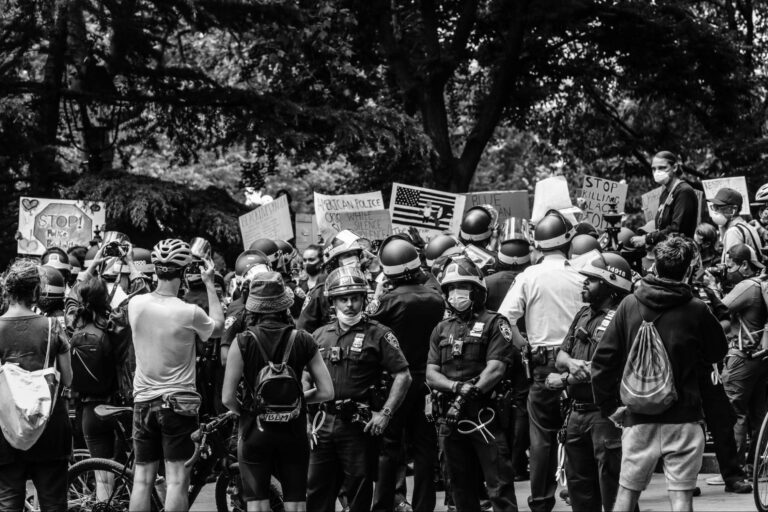



Think of historic grassroots activism in civil rights, environmental justice, or workers’ rights movements – people, not positions, made them powerful.
Grassroots activism is a movement built from the ground up. It’s when individuals – everyday people – come together to push for progress, rather than waiting on institutions or political leaders to lead the way.

During the 1950s and 1960s in the United States, Martin Luther King Jr. and Rosa Parks led the Civil Rights Movement. A movement that brought together thousands of people to stand up against racial discrimination and segregation.
Through peaceful protests like boycotts, marches, and sit-ins, the movement led to significant legal and social changes, including the Civil Rights Act of 1964 and the Voting Rights Act of 1965.
Unlike the traditional lobbying or institutional advocacy, grassroots movements are powered by:
- Bottom-up organizations: In grassroots campaigns, strategy starts at the street level. It’s the community that sets the direction, not an external authority. This ensures decisions are grounded in lived realities and reflect what truly matters to the people involved.
- Volunteer-driven participation: It’s not about where decisions come from – it’s about who makes them happen. Grassroots campaigns thrive on people stepping up daily, contributing their skills, making the movement resilient, resourceful, and representative.
- Personal connection to the cause: Participants are often directly affected by the issue, which drives authentic engagement and long-term commitment.
- Authentic voices: Messaging comes from real experiences rather than polished PR, which helps make the voices resonate far beyond the immediate community.
Read more about grassroots mobilization: your first guide to spark change.
This guide is about activism: how it starts and what keeps it going. For the bigger picture of how communities mobilize, read grassroots mobilization. When you’re ready to run a full campaign, grassroots organizing walks through it step by step.
.ch-key-takeaways { background: #ffffff !important; border: 1px solid var(–ch-border, #E5E7EB) !important; border-radius: 8px !important; padding: 24px !important; margin: 32px 0 !important; box-shadow: 0 4px 14px rgba(0, 0, 0, 0.06) !important; } .ch-kt-label { font-family: var(–ch-font, ‘Inter’, sans-serif) !important; font-size: 16px !important; font-weight: 700 !important; letter-spacing: 0.14em !important; text-transform: uppercase !important; color: var(–ch-orange, #F06514) !important; margin: 0 0 20px !important; } .ch-kt-intro { font-family: var(–ch-font, ‘Inter’, sans-serif) !important; font-size: 16px !important; line-height: 1.5 !important; color: var(–ch-g500, #677489) !important; margin: 0 0 20px !important; } .ch-kt-subheading { font-family: var(–ch-font, ‘Inter’, sans-serif) !important; font-size: 15px !important; font-weight: 700 !important; color: var(–ch-g900, #111B29) !important; margin: 20px 0 8px !important; } .ch-kt-label + .ch-kt-subheading, .ch-kt-intro + .ch-kt-subheading { margin-top: 0 !important; } .ch-kt-list { list-style: disc !important; margin: 0 !important; padding-left: 20px !important; } .ch-kt-list li { font-family: var(–ch-font, ‘Inter’, sans-serif) !important; font-size: 16px !important; line-height: 1.5 !important; color: var(–ch-g500, #677489) !important; margin-bottom: 12px !important; } .ch-kt-list li:last-child { margin-bottom: 0 !important; } .ch-kt-list li strong, .ch-kt-list li b { font-weight: 700 !important; color: var(–ch-g900, #111B29) !important; }Key Takeaways
Grassroots activism is a movement built from the ground up, powered by everyday people who organize for change rather than waiting on institutions or political leaders to act.
Foundations of grassroots activism
- The Civil Rights Movement of the 1950s and 1960s, led by Martin Luther King Jr. and Rosa Parks, uses peaceful tactics like boycotts, marches, and sit-ins to fight racial discrimination, producing the Civil Rights Act of 1964 and the Voting Rights Act of 1965.
- Grassroots campaigns set strategy at the community level rather than through external authority, and they rely on volunteers who step up daily to make the movement resilient and resourceful.
- Participants who are personally affected by an issue drive authentic, long-term engagement, and messaging built from real experiences resonates far beyond the immediate community.
How grassroots activism works
- Issue identification starts the process when community members recognize a problem, such as unfair laws, environmental harm, or lack of access to services, that directly affects them.
- Mobilization follows by encouraging neighbors, friends, and community members to form local groups, organize meetings, and spread information through social media or word of mouth.
- Advocacy and raising awareness push the message to decision-makers and the public through letters, town halls, petitions, campaigns, events, and media outreach.
- Community building sustains the movement by creating spaces where participants feel welcome and supported, keeping momentum alive even when progress slows.
Launching a campaign
- Launching a campaign begins with organizing a committed core group and defining a clear, specific goal, such as changing a law or stopping a development project.
- Crafting a resonant message means using real stories and community-driven language that explains the problem, why it matters, and the vision for change, while identifying the specific audience, such as voters, local leaders, media, or a community, who must be influenced.
- Choosing tactics and mobilizing supporters involves a mix of canvassing, social media, phone calls, petitions, protests, and events, then turning that support into action by making participation easy with clear steps and resources.
How grassroots activism works

Grassroots activism is all about everyday individuals coming together to create powerful, bottom-up change. Here’s how the journey unfolds, step by step:
Issue identification:
Grassroots activism starts when people in a community recognize a problem that directly affects them, whether it’s unfair laws, environmental concerns, or lack of access to basic services. This step clearly defines what needs to change and why it matters.
Mobilization:
Once the issue is clear, the next step is getting people involved. Mobilization means encouraging your community, friends, neighbors, and others to take action. This can include forming local groups, organizing meetings, or sharing information through social media or word of mouth. The goal is to gather support and build momentum.
Advocacy:
Advocacy is all about making sure the right people hear your voice. That could mean writing a letter to your local representative, speaking up at a town hall meeting, or even sitting down with a school official or company leader. Activists often organize petitions, start campaigns, or rally others to demand better policies. It’s about showing up and saying, “This matters, and we won’t stay quiet.”
Raising awareness:
More people need to know what’s happening for real change. That’s where raising awareness comes in. Activists do this by hosting events, sharing personal stories, posting on social media, or talking to journalists. The goal? To get people to care, connect, and take action.
Community building:
At the heart of any movement is community. Activists focus on creating spaces where everyone feels welcome, valued, and heard. It’s about supporting each other, lifting each other, and building something bigger than just one voice. This kind of togetherness keeps the momentum going even when progress feels slow.
Your first five moves
You don’t need a 10-step plan to start. You need a few people, a clear ask, and a way to stay in touch.
- Find two or three people who care as much as you do. One of them should be good at tracking names and numbers.
- Name the change you want and who can make it. “Fix the crossing on Main Street” beats “make our streets safer”.
- Say it in one sentence, with one real story. A neighbor’s near miss at that crossing does more than a statistic.
- Give people one action they can take this week. Sign, attend, or call. One clear ask, not five.
- Keep everyone’s contact details. The second action is where activism turns into a movement, and you can’t ask for it without a way to reach people.
From there, the work becomes a campaign. Grassroots organizing covers roles, the outreach mix, and the three mistakes that stall most campaigns.
Real impact: Grassroots activism heroes driving global change
In April 2026, the Goldman Environmental Prize honored six grassroots activists, the first group of winners made up entirely of women, according to Mongabay. Three of their campaigns show how far activism can travel from a small start:
- Alannah Acaq Hurley, United States. As executive director of the United Tribes of Bristol Bay, she helped block the Pebble Mine in Alaska. The campaign generated more than a million public comments. In January 2023, the EPA used its veto for only the 14th time in its history.
- Sarah Finch, United Kingdom. Her volunteer group, the Weald Action Group, won a June 2024 UK Supreme Court ruling. Planning authorities must now assess the full climate impact of fossil fuel projects.
- Borim Kim, South Korea. She organized 19 young plaintiffs in a climate case. In August 2024, South Korea’s Constitutional Court ruled the government’s climate targets unconstitutional.
Each campaign began with people who lived next to the problem, and each kept going for years before it won. For eight more campaigns and what each one teaches, see grassroots movement examples.
Read Also: 8 Grassroots Movement Examples and What Each One Teaches
Circling back to the blueprints for launching the grassroots campaign, organizations these days are going “tech-savvy” on activism. Take MN350 and PCS, for instance:
What activism looks like when it scales
Passion starts a campaign. Follow-up keeps it alive. Two campaigns show what happens when activists get a fast way to reach their supporters one by one.
How American Promise moved state legislators with one text bank
American Promise is a national, nonpartisan group working to pass a constitutional amendment that would end unlimited money in politics. Most of its supporters are volunteers, and its pressure lands in state legislatures.
In one peer-to-peer text bank backing a state legislative campaign, its team sent tens of thousands of texts and moved hundreds of people to take action. Afterward, legislators told the team how much that outreach had affected their decision.
Legislators notice two things: how many people speak up, and whether those people are real constituents. One text bank delivered both. Read the full American Promise story.
How PCS got its petition past 100,000 signatures
In 2020, the Public and Commercial Services Union (PCS), which represents UK civil servants, set out to collect 100,000 petition signatures for fair pay. Phone and email outreach brought in 60,000 in the early weeks. Then progress stalled.
So the union trained more than 200 volunteers over video calls and ran a one-day peer-to-peer texting drive. That day added 10,000 signatures. The petition passed 100,000 the following week, and Parliament debated it on December 14, 2020.
Four things made the texting drive work:
- Volunteers could see progress live, so the team knew where to push next.
- Saved replies answered common questions in seconds.
- One inbox for many conversations let each volunteer handle more people at once.
- Every message was personal, sent by a volunteer and answered by a person.
Read the full case study.
The way forward
Every activist in this guide started the same way: one problem, a few people, and a refusal to wait. What separated the winning campaigns was what came next. They kept in touch with the people who showed up and asked them for more.
If you’re ready to take that next step, peer-to-peer texting is a good place to start. If you organize members, see how CallHub works for unions.