

What are political calls?
Political campaigns, parties, or advocacy groups make political calls or texts, including automated, pre-recorded, and AI-generated messages. These are often permitted, even if you are on the National Do Not Call Registry.
However, under TCPA rules:
- Autodialed or prerecorded calls to cell phones require prior express consent.
- Political texts also require consent.
Common uses include:
- Voter outreach
- Fundraising
- Issue advocacy
- Opinion polling
Political calls play a legitimate role in elections, but many people wonder why they keep getting them—and whether they’re even legal.
Knowing the rules helps campaigns stay compliant and helps voters understand their rights. In this guide, we’ll break down what political calls are, why you might receive them, and the TCPA and FCC regulations that apply.
Key Takeaways
Political campaigns, parties, and advocacy groups can legally make automated, prerecorded, and AI-generated calls or texts for voter outreach, fundraising, issue advocacy, and polling, but TCPA and FCC rules set specific limits on how they do it.
Consent and Dialing Rules
- Landlines can receive prerecorded or automated political messages without prior consent from the recipient.
- Cell phones require prior express consent for autodialed calls or texts, though live agent calls to cell phones don’t need written consent.
- Using an automatic telephone dialing system to call a cell phone without explicit voter permission is prohibited under TCPA.
Identification and Transparency
- Every robocall must state the campaign and candidate name along with a callback number, ideally at both the start and end of the message.
- Caller ID must display accurate information rather than misleading numbers or fake names, since misrepresentation can trigger FCC penalties of up to $10,000 per violation.
Timing and Do-Not-Call Exemption
- Calls cannot be placed before 8 a.m. or after 9 p.m. local time, which requires campaigns to account for time zones when running large-scale outreach.
- Political calls are exempt from the National Do Not Call Registry, so campaigns can legally contact registered voters even if they’ve opted out of commercial calls, though specific voter opt-out requests must still be honored.
AI Voices and Opt-Out Requirements
- As of February 2024, the FCC has ruled that AI-generated or cloned voices in robocalls are illegal under TCPA, and violations can bring FCC fines plus State Attorney General enforcement.
- Campaigns must give voters a clear way to opt out, such as pressing a key or making a verbal request during a live call, and every opt-out must be logged and honored immediately.
What rules govern political calls?
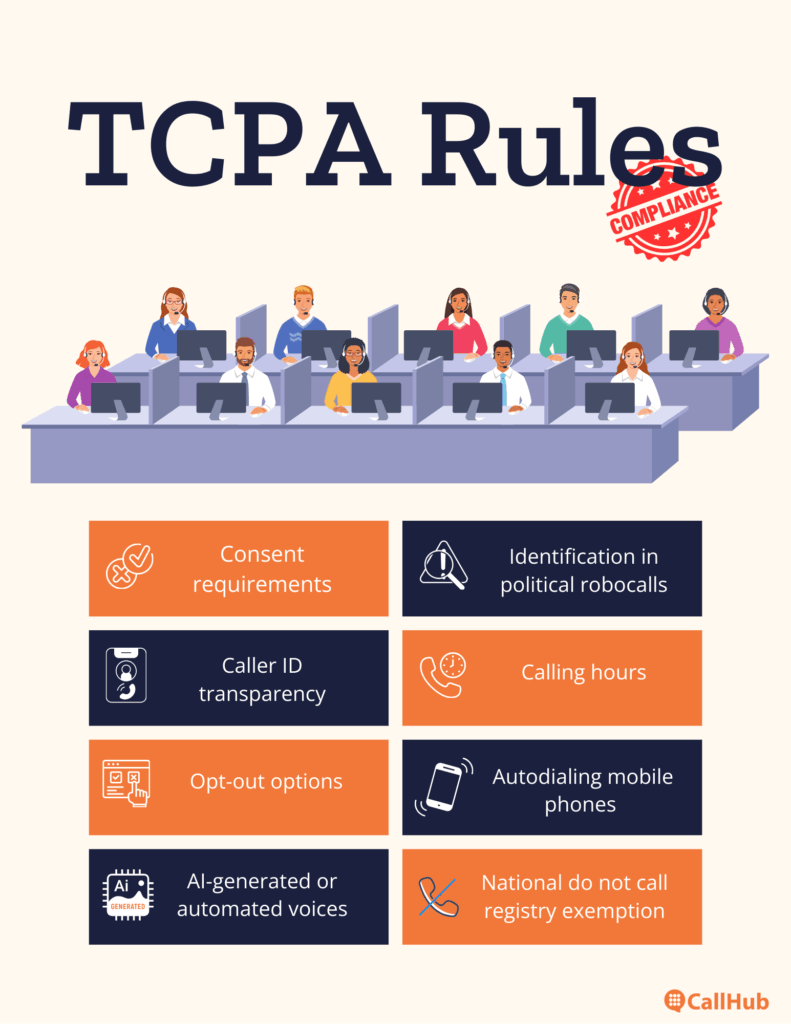
While campaigns enjoy broad free speech protections under the First Amendment, they’re not free to call however and whenever they want. The TCPA and FCC regulations set boundaries to protect consumers from harassment, deception, or overwhelming spam. Here are the key rules:
1. Consent requirements
- Landlines: You can send prerecorded or automated messages without prior consent to landlines
- Cell phones: Autodialed calls or texts require prior express consent. Live agent calls are allowed without written consent.
Read Also: New Landline GOTV Strategy That Delivers Results
| Tip for campaign managers: Always verify your list—automated dialing to mobile numbers without consent can trigger penalties. |
2. Identification in political robocalls
All robocalls must clearly state:
- The campaign and candidate name
- A callback number
Implementation: Include this info at the start and end of every message. Train volunteers to identify themselves consistently.
3. Calling hours
- Do not call before 8 a.m. or after 9 p.m. local time.
- Respect time zones when scheduling large-scale campaigns.
On CallHub, you can
- Switch on the timezone calling feature (in the “schedule” section).
- Pick the timezone you are calling in.
- Schedule operational hours and days.
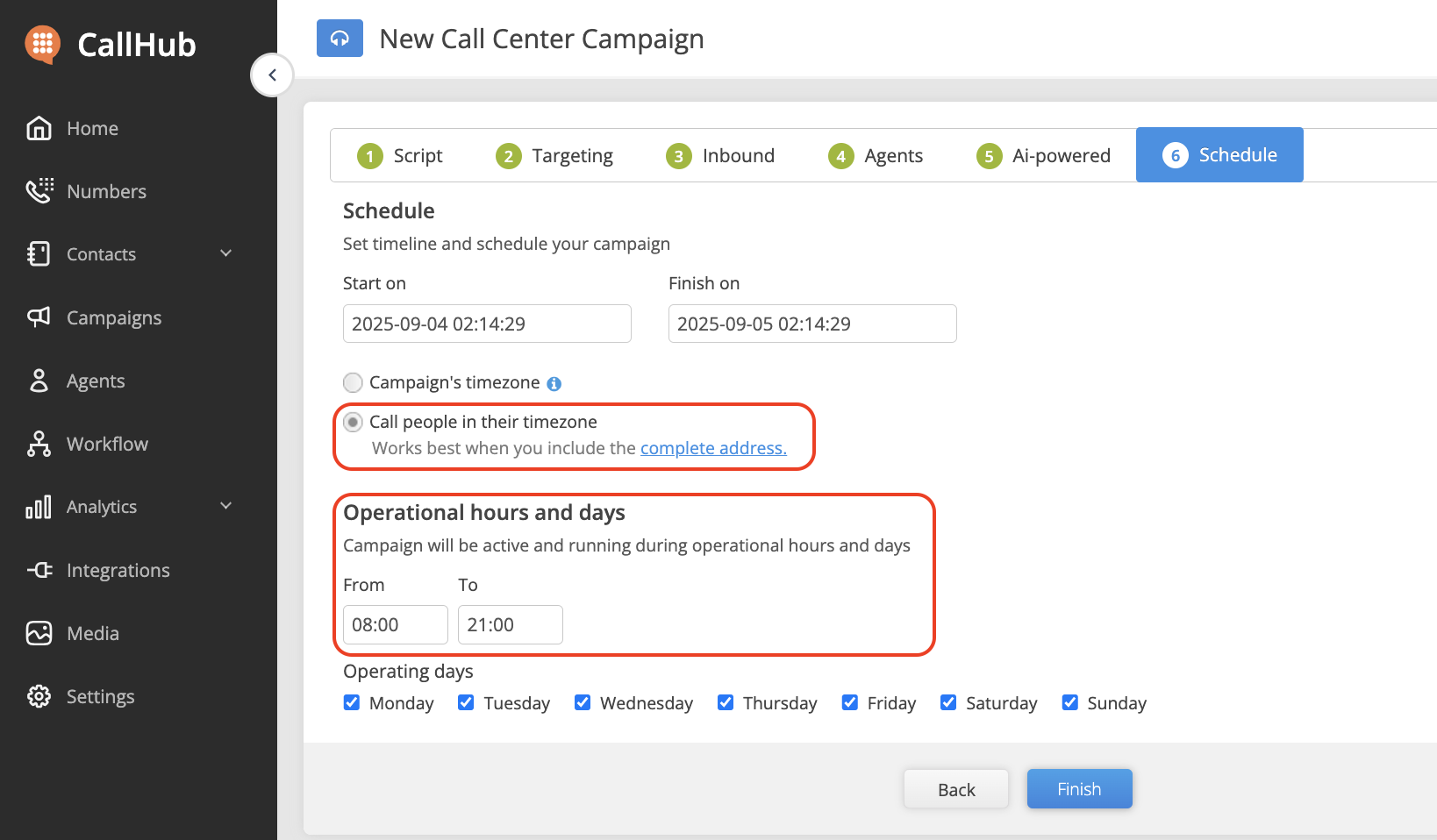
The algorithm will pause the campaign when the operational hour in the set timezone ends. This feature helps you stay compliant with the TCPA and state-regulated calling timings and is best used for out-of-state campaigns.
Read Also: TCPA Compliance Checklist: The Do’s, Don’ts, and Tools That Help You With Compliance
4. Caller ID transparency
- Display accurate caller ID information
- Avoid misleading numbers or fake names
Tip: Use dedicated campaign lines or VoIP numbers registered under the campaign. Misrepresentation can result in FCC penalties of up to $10,000 per violation.
CallHub provides
Dynamic Caller ID, which automatically displays a local number to the voter you’re calling.
For example, if your campaign is based in Washington D.C. but you’re calling voters in Texas, the system will show a Texas-based number.
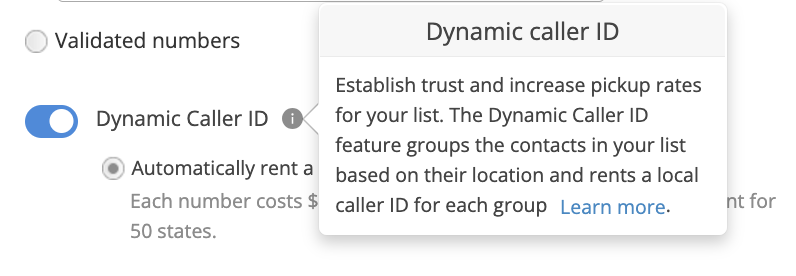
This boosts answer rates because voters are far more likely to pick up a call from a familiar local area code while still keeping your campaign compliant.
5. National Do Not Call Registry exemption
Political calls are exempt from the Do Not Call Registry. Campaigns may legally contact registered voters even if they’ve opted out of commercial calls. However, campaigns must honor specific opt-out requests for further calls.
6. Autodialing mobile phones
Under TCPA, using an automatic telephone dialing system (ATDS) to call a cell phone without consent is prohibited. Campaigns must ensure they are not dialing cell phone numbers with automated systems unless they have explicit voter permission.
| Tip: Segment your lists to separate landlines from mobile numbers and apply relevant dialing rules. |
7. AI-generated or automated voices
As of February 2024, the FCC has ruled that AI-generated voices in robocalls are illegal under TCPA. Campaigns cannot use synthetic or cloned voices that could mislead voters into thinking the call is from a real person. Violations can trigger FCC fines and State Attorney General enforcement. But if you’re using it, then make sure to include certain identification information like:
- Clearly state the name of the individual or entity at the start of the prerecorded message.
- If calling as an organization, use the official business name.
Provide a valid callback number during or after the message.
8. Opt-out options
Campaigns must provide a clear and easy way for voters to opt out of future political calls
- Voters should be able to press a key (e.g., “Press 2 to be removed from future campaign calls”) or verbally request removal during a live call.
- Every opt-out request must be logged and honored immediately to remain compliant.
- This not only benefits the voter but also increases the campaign’s credibility and helps you avoid fines or campaign suspension.
What’s next with political calls?
Political calls are central to campaign outreach, but staying compliant is essential. As a campaign manager, you need to balance voter engagement with TCPA and FCC compliance. That means:
- Identifying your campaign in every call
- Respecting calling hours
- Honoring opt-out requests
- Avoiding misleading caller IDs
- Steering clear of unauthorized robocalls or AI voices
Compliance isn’t just about avoiding fines—it’s about building trust with voters. When managed responsibly, political calls remain one of the most effective tools for mobilizing support
FAQs on political calls: We answer your biggest questions
1. Why am I getting political phone calls?
2. How to stop political calls?
- During the call, reply with “STOP” or press the keypad option mentioned to opt out.
- Use third-party call-blocking apps that filter political robocalls.
3. How to sign up for political calls?
To volunteer to make political calls, contact the campaign managers of specific candidates to get started. You’ll stay in the loop with campaign updates and outreach efforts.
4. How to stop political calls on iPhone and Android?
- iPhones: Enable “Silence Unknown Callers” in Settings to block calls from numbers not in your contacts.
- Android phones: Use “Call Screen” or the “Phone by Google” app for call screening and blocking.
| For volunteering jobs, do check out CallHub’s community for active opportunities. |